Box Jellyfish at Cozumel: Family Snorkel and Dive Warnings by Season
Cozumel reef diving and snorkel trips with kids during box jellyfish season - when to swim, where to skip, how to treat a sting, and what to pack.
Disclosure: Some links below are affiliate links. As an Amazon Associate I earn from qualifying purchases, and I may earn a commission from Booking.com, Mavely, and CJ partner links at no extra cost to you.
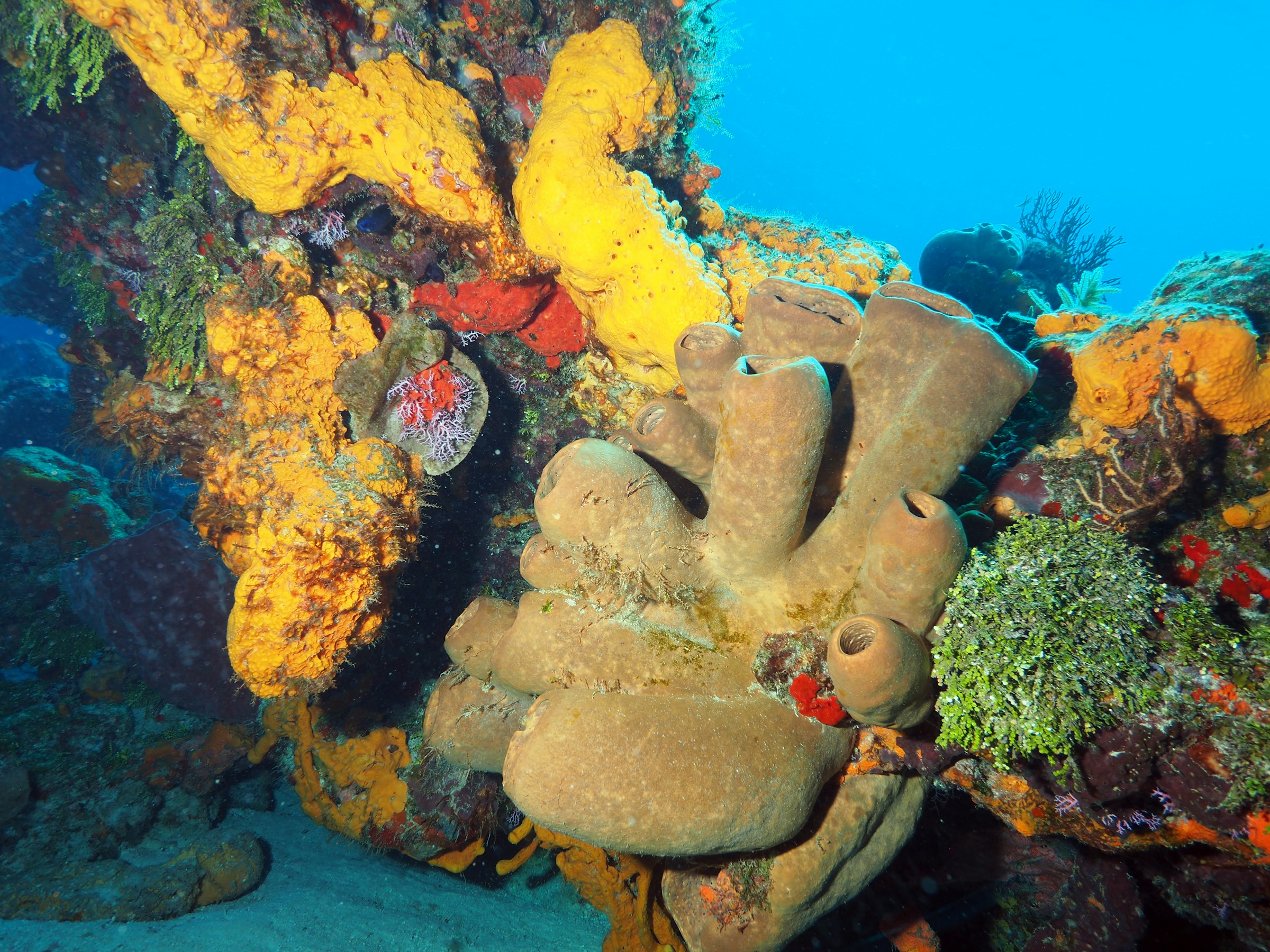
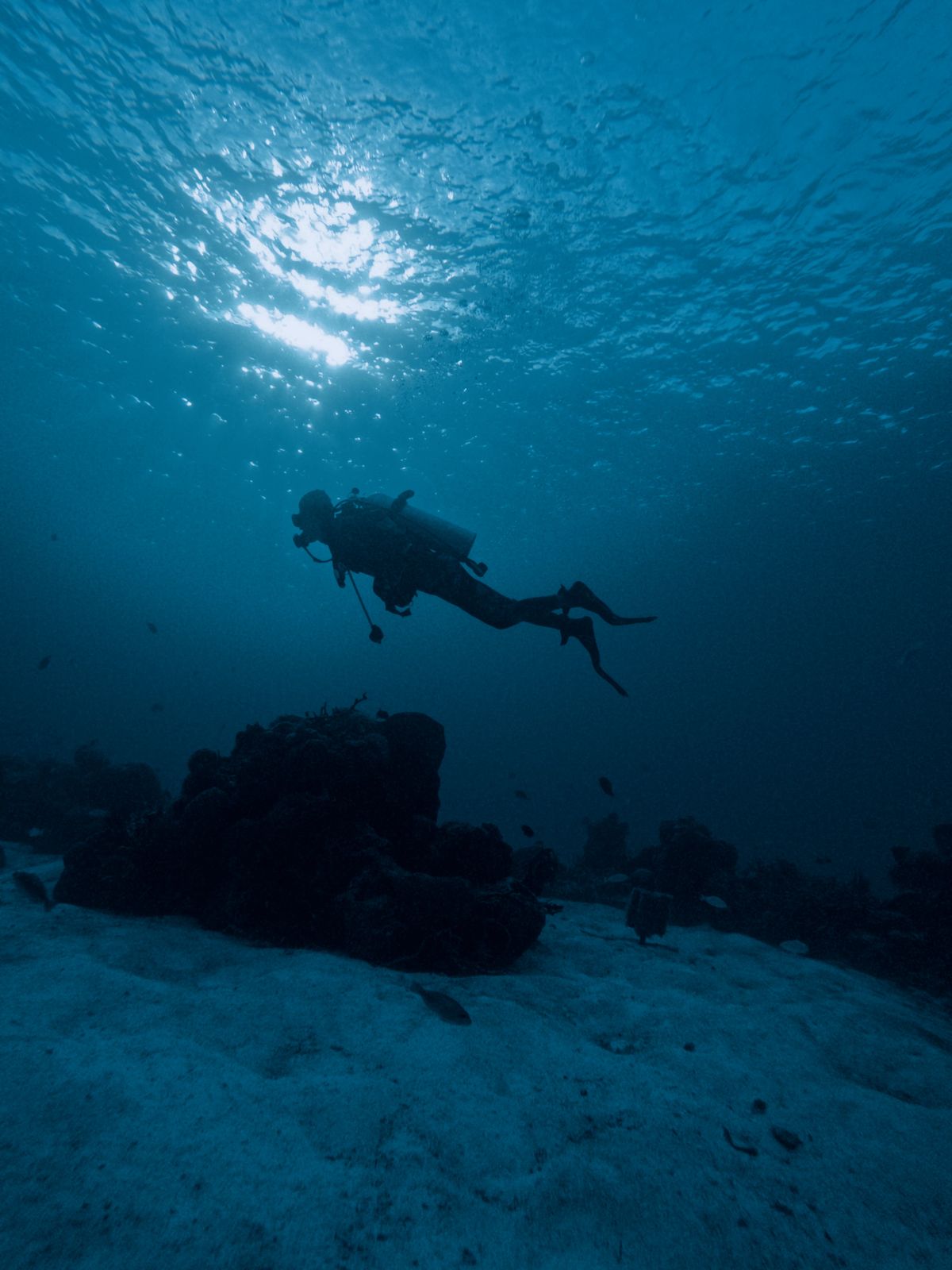
Mira, Cozumel is one of the top reef-diving destinations in the world for a reason. The Mesoamerican Reef runs along the west side of the island, the visibility is some of the best in the Caribbean, and a kid who can swim a basic freestyle can see fish that look like jewelry. My cousin Chuy who runs sport-fishing charters out of Cabo always tells the gringos asking him about Caribbean reef diving: "go to Cozumel, that's where the real reef is." He's right.
And: Cozumel has box jellyfish. Híjole, yes. Carybdea xaymacana, the Mexican Caribbean box jellyfish, is documented in the waters around the island. The Australian relatives are deadlier, but this one is no joke either. If you're bringing kids to Cozumel for snorkeling or family dives, you need to know when, where, and how to keep them safe.
Brian, my husband, the gringo I have spent fifteen years training out of his Texas-style dive habits, asked me last year why nobody ever talks about Cozumel jellyfish in the dive trip planning. The answer is: dive shops downplay it because they want your business. Mexican reef-safety boards do post warnings, but they're in Spanish and on local Facebook groups. Let me translate.
What Box Jellyfish Look Like (And Why You Won't See Them)
Cozumel's box jellyfish are small (a few inches across) with a cube-shaped bell and trailing tentacles. They are nearly transparent in water. You will not see them coming. That is the entire problem.
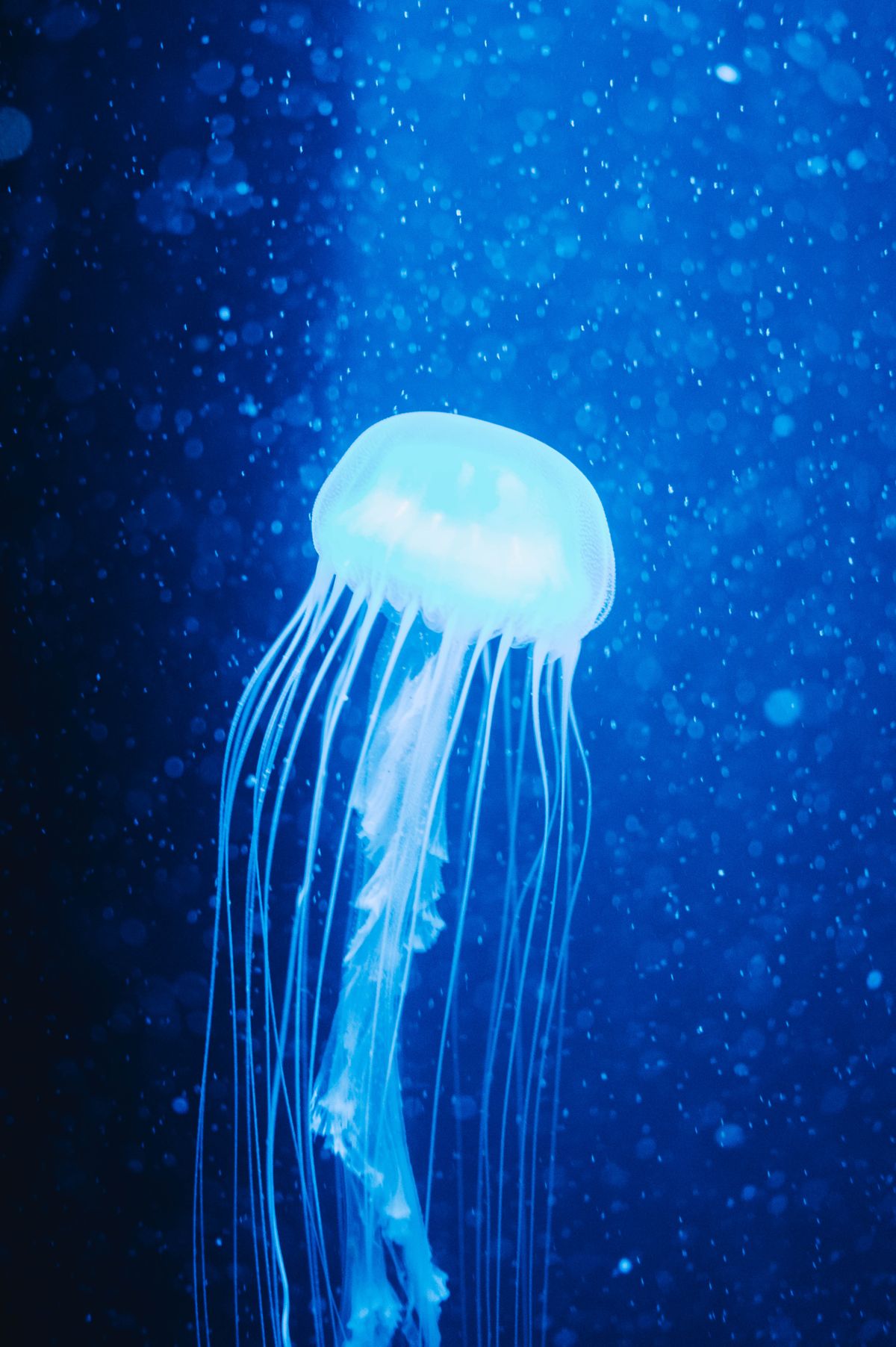
They have venom that is more potent than most other Caribbean jellyfish. The sting is sharp and immediate. Severe reactions in adults are rare but possible; severe reactions in kids are more common because of the body-weight ratio. Cardiac symptoms have been reported in worst-case stings. This is why I keep saying: bring vinegar, know the route to the clinic.
When Box Jellyfish Are Most Active in Cozumel
Box jellyfish are warm-water animals. The peak activity in Cozumel is:
- July through October are the warmest water months and have the most reported sightings.
- Dawn and dusk are when box jellyfish hunt in shallow water. Daytime swims have lower (not zero) risk.
- Lower wind days let them drift closer to shore. After a storm or with strong winds, they're often pushed offshore temporarily.
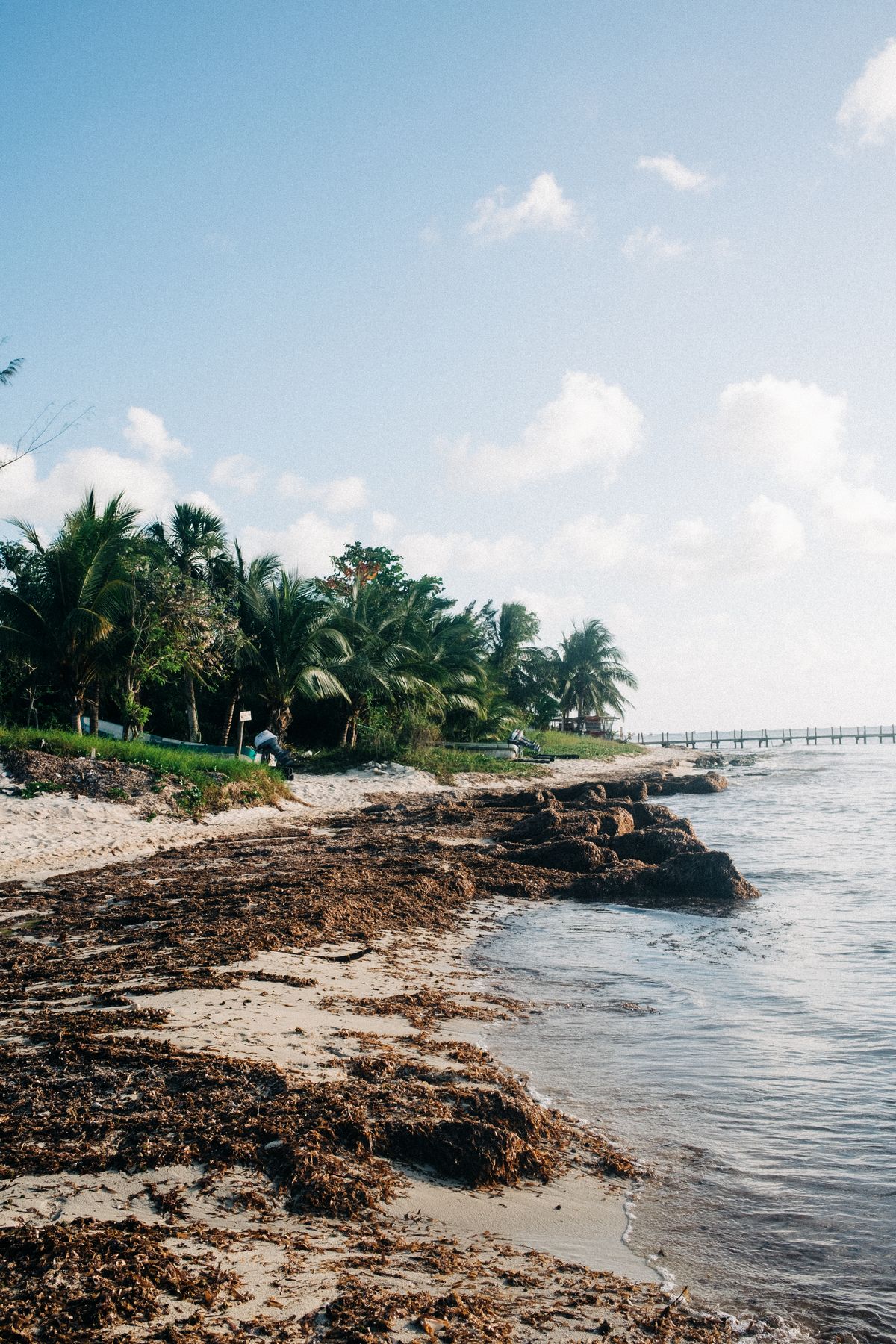
- Shore-entry beaches have higher risk than dive sites you reach by boat. The shallow shore zones are exactly where they hunt.
This doesn't mean Cozumel is dangerous year-round. It means: in summer months, swim during the day, watch the flag, and don't let your kids splash in shallow water at sunrise or sunset.
Family Snorkel and Dive Spots: Where to Go and Where to Skip
Chankanaab Park
Family-favorite. Park entry, walk-in access, life vests required, lifeguards on duty. The shallow water is calm, fish are abundant, and the staff actively monitors marine conditions. They post jellyfish warnings when conditions warrant. Best place to start with kids 5 and up.
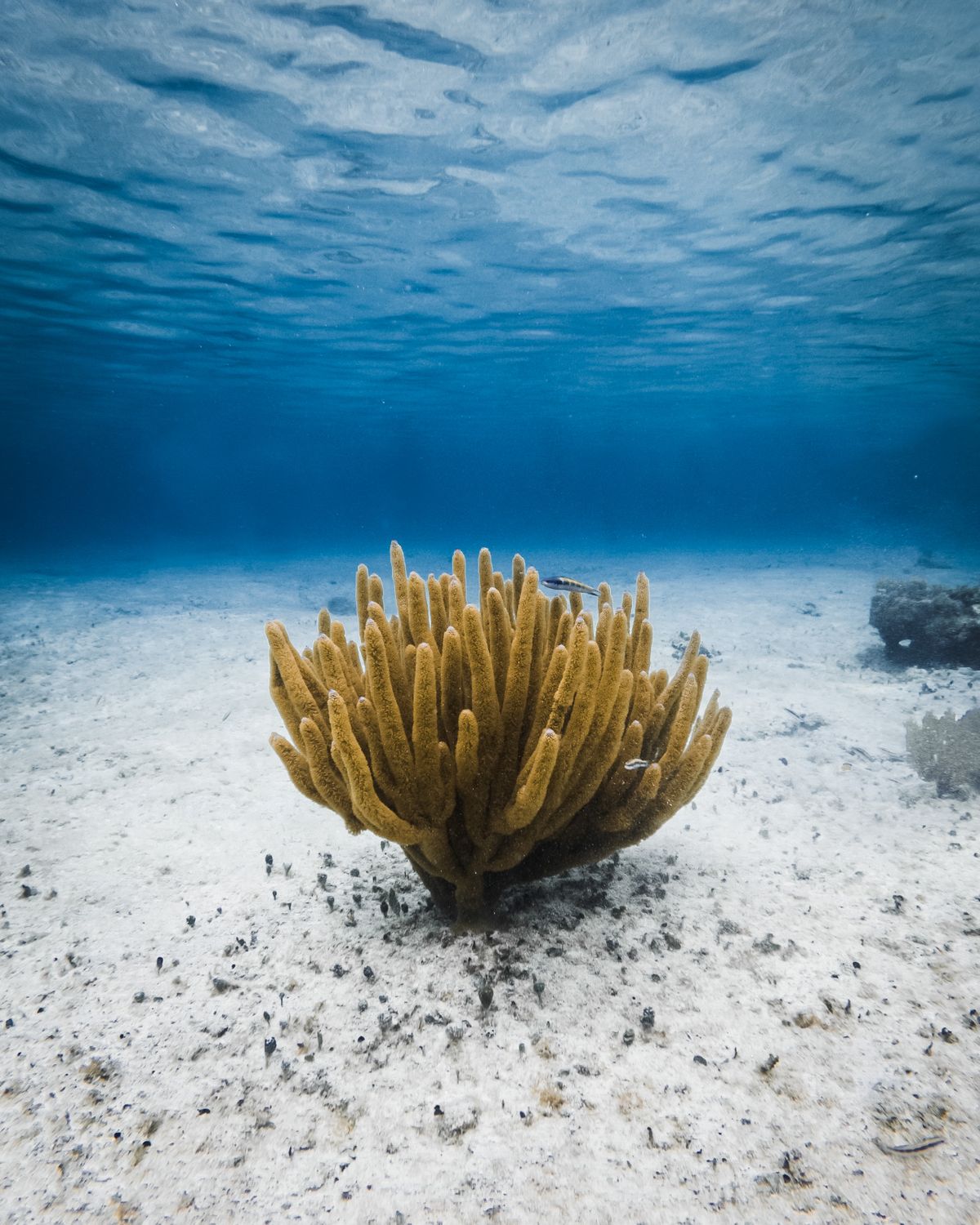
Money Bar Beach Club
Beach club with a sandy entry and a reef just offshore. Snorkel rentals available. Smaller crowds than Chankanaab. Good for families with kids 7+ who can swim confidently.
Palancar Reef (Boat Snorkel)
You take a boat out, you snorkel a reef wall, you boat back. This is the classic Cozumel reef trip. Lower jellyfish risk because you're in deeper water away from the shoreline shallows. Older kids (10+) who are strong swimmers will love it. Younger kids are a stretch unless they're confident in life jackets.
Columbia Shallows / Paradise Reef
Beginner-friendly dive sites. If you have certified diver kids (Discover Scuba is 10+), these are good first dives. Operators provide hot-water rinses and basic first aid.
Where to Skip With Kids
- Punta Sur. Currents are strong. Not for kids.
- The east side of the island. Open Caribbean side, no protection. Dangerous swells. Pretty for a drive, no swimming.
- Any "secret beach" recommended by a Facebook group with no lifeguard. Sounds idyllic. Is the exact wrong place during box jellyfish season.
Stinger Suits and Rashguards: Make Your Kid Wear One
In Australia, where the deadly Australian box jellyfish lives, "stinger suits" (full body Lycra suits) are standard for swimming during box jellyfish season. They are not bulletproof but they reduce stings substantially. In Cozumel during summer months, full-body Lycra is overkill for casual snorkel but a long-sleeve UPF rashguard is the everyday equivalent. Make your kid wear one.
Mira, the rashguard does triple duty:
- Sun protection on equatorial Caribbean light.
- Reduced exposure to thimble jellyfish larvae (which are everywhere in spring/early summer).
- A layer between skin and a box jellyfish tentacle. Not perfect, but better than bare skin.
Pair the rashguard with proper swim leggings or board shorts. Then your kid's exposed skin is just face, hands, and feet.
How to Treat a Sting (The Cozumel Version)
Same protocol as anywhere else, but Cozumel-specific advice on getting help:
- Get out of the water. No rubbing, no fresh water, no scrubbing.
- Vinegar. Pour it generously on the sting site for at least 30 seconds. Plain white vinegar. Carry your own bottle. Most beach clubs and dive boats also stock it.
- Remove visible tentacles with tweezers or a credit card edge. Not bare hands.
- Hot water immersion at 110-113°F for 20-45 minutes. The dive boats often have a hot water dispenser specifically for this.
- For box jellyfish or man-of-war stings: GO TO THE HOSPITAL. The main medical clinic on Cozumel is Hospital de Cozumel. Costamed Cozumel is also reliable. The dive operators have direct lines to both. Don't try to wait it out, especially with kids.
Things You Will Hear That Are WRONG
- Pee on it. No. This is internet folklore from Friends. It does not work and can make some stings worse. Just no.
- Rinse with fresh water first. No, not before vinegar. Fresh water triggers undischarged stinging cells. Vinegar first, then later you can rinse.
- Scrub it off. You're driving the cells deeper. Don't.
- Apply ice directly. Hot water is the protocol for jellyfish, not cold.
How to Get to and Around Cozumel
Cozumel has its own airport (CZM) but most travelers fly into Cancun (CUN) and ferry over. From Cancun: drive or bus to Playa del Carmen (1 hour), ferry to Cozumel (45 minutes). Ultramar and Winjet both run; Ultramar is slightly nicer.
Watch out for:
- The Cancun airport ATM trap. Use the bank-branded ATMs INSIDE baggage claim, not the curbside ones. Curbside ATMs charge a 30 percent rate. Banamex, BBVA, Santander - those are the real ones.
- The "free welcome briefing" / "free breakfast" pitches at Cancun airport. Timeshare. Walk past. Don't engage. Don't smile. Walk past.
- Unmarked taxis from Cancun airport. Pre-book ADO bus or use the pre-paid taxi counter inside baggage claim.
- The taxi mafia in Cozumel. Cozumel taxis are regulated by the union. Fares are fixed and posted. They are higher than you'd expect. Don't argue, just pay or rent a scooter or jeep.
What to Pack for Cozumel With Kids in Box Jellyfish Season
- White vinegar in a travel bottle. The single most important sting-treatment item. Not glamorous. Pack it.
- Hydrocortisone cream and Benadryl tablets (with pediatrician dosing for the kids).
- Mineral reef-safe sunscreen. Required by Mexican environmental regulations on the Cozumel reefs and at Chankanaab. They will check.
- Kids' snorkel masks. Rentals leak and don't fit kid faces well. Bring your own.
- Wide-brim sun hats. The reef is bright. The boat decks are hot. Use both.
- Quick-dry water shoes. Some Cozumel entries are over rocky bottoms. Sea urchins are real. Water shoes prevent both ER scenarios.
- Packing cubes. Wet swim things separated from dry. After a sting, the contaminated suit goes in its own zip bag.
- Mosquito bracelets. The interior of Cozumel has mosquitoes especially after rain. Use as a layer, not the only protection.
- Rashguards for every family member. Long-sleeve UPF. Non-negotiable in summer.
The Real Talk
Cozumel is wonderful with kids. The reef is genuinely world-class. The west side beaches are calm and family-friendly. Chankanaab is one of the best beach parks for kids in the Yucatan. And: box jellyfish exist, especially July through October, especially at dawn and dusk, especially in shallow shore-entry beaches.
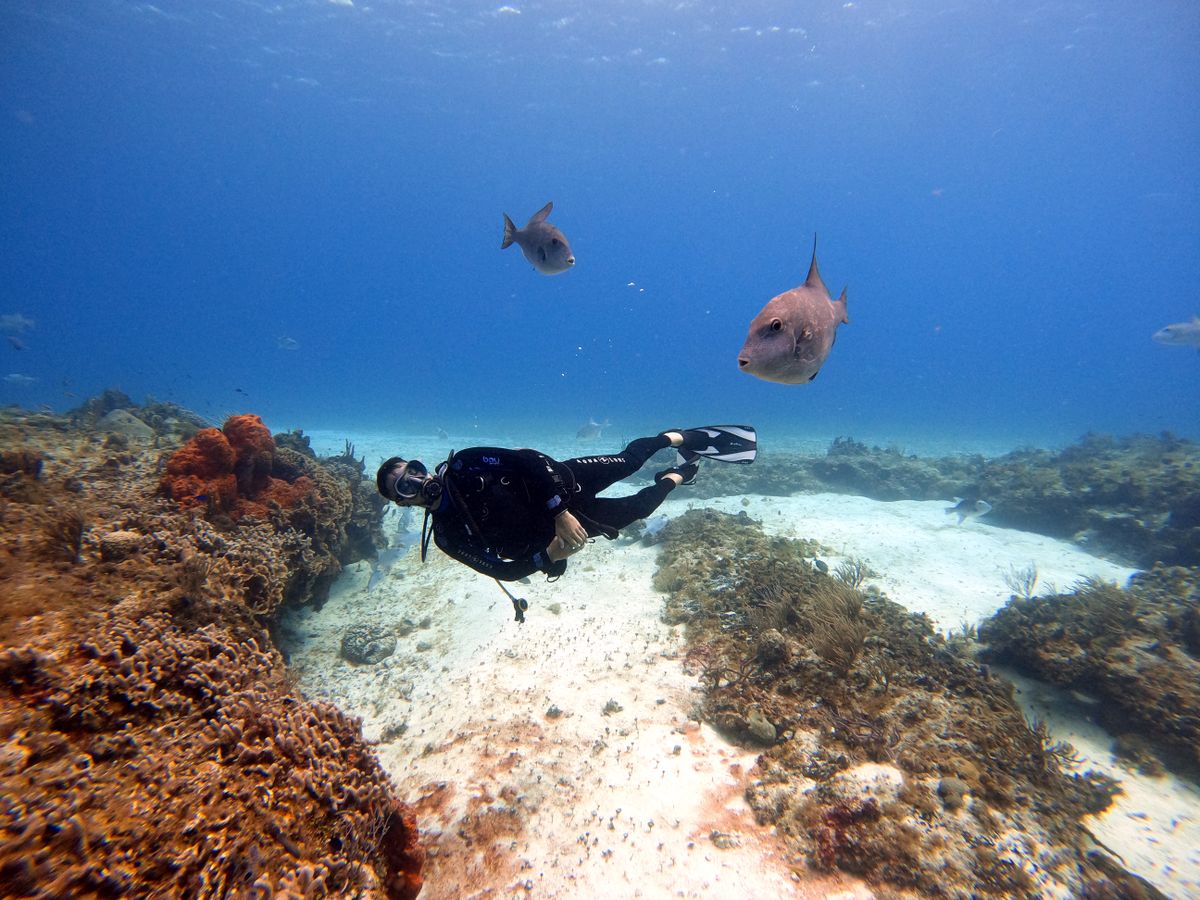
The way you balance both is: swim in the daytime, wear rashguards, do your snorkel from a boat in deeper reef water rather than wading off the shore at sunset, watch the beach flags, and carry vinegar. If a sting happens, go to the clinic. Don't wait, don't pee on it, don't argue with internet folklore.
Matty did his first reef snorkel at Chankanaab when he was eight. Sophie is four and is content to splash in the kiddie pool while her brother snorkels. We always pack vinegar. We have never used it. I am not changing the packing list.
Now go book the Palancar boat trip and pack the dang rashguards.
Recommended Products
Thinksport SPF 50+ Mineral Reef Safe Sunscreen 6oz
Reef-safe mineral sunscreen approved for Mexico cenote and beach areas. SPF 50+ vegan formula.
View on Amazon
Full Face Snorkel Mask for Kids Anti-Fog 180 Degree
Anti-fog full-face snorkel mask sized for kids - great for Holbox whale shark trips and Akumal turtle snorkeling.
View on Amazon
Kids Sun Hat UPF 50+ Wide Brim with Chin Strap
Wide brim UPF 50 sun hat for boys and girls with adjustable chin strap to keep it on at the beach or pool.
View on Amazon
BAGAIL 8 Set Packing Cubes for Travel
Eight piece packing cubes set for organizing the whole familys clothes across multiple Mexico stops.
View on Amazon
Stelle Kids Water Shoes Quick Dry Non-Slip
Quick dry kids water shoes for cenotes rocky beaches and snorkeling in the Riviera Maya.
View on AmazonCliganic 10 Pack Mosquito Repellent Bracelets DEET-Free
DEET-free natural mosquito bracelets - kid-safe extra defense for jungle and beach destinations.
View on Amazon* Affiliate links: We may earn a commission from purchases made through these links, at no extra cost to you. See our full disclosure.