Chiapas with Kids: Waterfalls, Ancient Ruins, and the Wild Side of Mexico Your Family Will Never Forget
A family guide to exploring Chiapas - from the turquoise waterfalls of Agua Azul to the misty ruins of Palenque, this lesser-known Mexican state is an adventure your kids will talk about forever.
Disclosure: Some links below are affiliate links. As an Amazon Associate I earn from qualifying purchases, and I may earn a commission from Booking.com, Mavely, and CJ partner links at no extra cost to you.
When I told my prima group chat that we were taking Matty and Sophie to Chiapas, my cousin Chuy - who runs charters out of Cabo and considers anything south of Sinaloa "basically Guatemala" - sent me a single laughing-crying emoji and nothing else. Brian also looked at me like I had finally lost it. "Babe, isn't that the jungle one?" Yes, Brian. It's the jungle one. Mira, after a week swimming under turquoise waterfalls, climbing pyramids the jungle is actively trying to swallow back, and wandering San Cristóbal with kids who refused to leave - I can tell you with my whole chest: Chiapas was the best family trip we've ever taken. Including, cariño, Cancún.
When I told other travel moms we were taking the kids to Chiapas, most of them looked at me like I had lost my mind. "Is that safe?" "Is there anything for kids?" "Why not just go to Cancún?" But after a week exploring Mexico's southernmost state - swimming beneath turquoise waterfalls, climbing ancient pyramids half-swallowed by jungle, and wandering through one of the most beautiful colonial towns I have ever seen - I can say with absolute certainty: Chiapas was the best family trip we have ever taken. And yes, cariño, I am including Cancún in that comparison.
Why Chiapas Deserves a Spot on Your Family Bucket List
Chiapas is Mexico without the resort filter. There are no all-inclusive wristbands here, no swim-up bars, no timeshare presentations. What there is: some of the most spectacular natural scenery in North America, Mayan ruins that rival anything in the Yucatán, indigenous cultures that have maintained their traditions for centuries, and prices so low you will feel guilty about how little you are spending. Tía Rosa, who has been editing Mexican cookbooks for thirty years, calls Chiapas "the soul of the country." She is not wrong.
It is also the kind of place that turns kids into adventurers. When your kids are swimming at the base of a waterfall they hiked to through actual jungle, or standing atop a pyramid watching howler monkeys swing through the canopy, something shifts. They stop asking for screen time. They start asking, "What are we exploring tomorrow?" That is the Chiapas effect.
San Cristóbal de las Casas: Your Base Camp
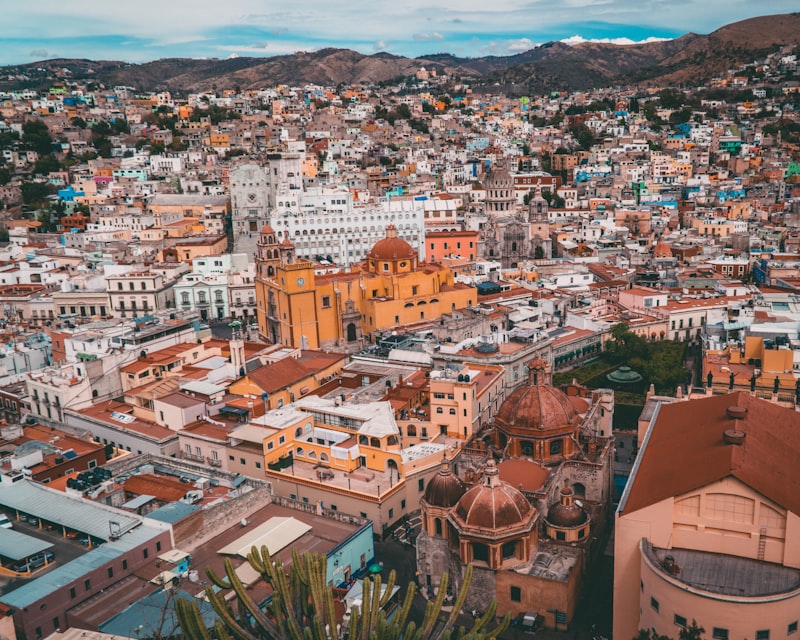
Start here. San Cristóbal is a stunning colonial town nestled in the highlands at about 7,200 feet elevation, which means blissfully cool temperatures even in summer while the rest of Mexico swelters. The cobblestone streets are lined with colorful buildings, artisan markets sell handwoven textiles and amber jewelry, and the food scene is surprisingly sophisticated.
We spent three nights in San Cristóbal and could have stayed longer. The kids loved the amber museum (tiny insects frozen in ancient tree resin - need I say more?), the chocolate workshops where you grind your own cacao on a stone metate, and the evening paseo when families gather in the main plaza and the town comes alive. Rent a casita or Airbnb in the center of town. Walking everywhere is half the charm.
The markets here are extraordinary. The Mercado Municipal is where locals shop for produce, spices, and handmade tortillas. Let your kids pick out fruit they have never seen before - we discovered rambután, pitaya, and mamey sapote, all of which became daily obsessions. Sofia would only eat pitaya for breakfast for a week. The craft market near the Santo Domingo church is where you'll find beautiful textiles made by Tzotzil and Tzeltal Maya women - if you're buying souvenirs anywhere in Mexico, this is the place. Qué rico.
One altitude warning, cariño: 7,200 feet is real. The first night you may feel a headache. Drink twice as much water as feels necessary, sealed bottled only, and take it easy day one.
Palenque: Where Indiana Jones Comes to Life
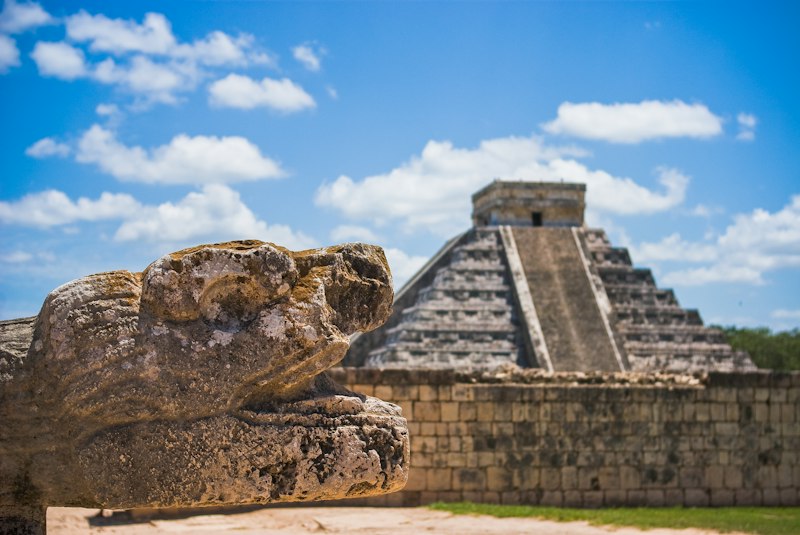
The ruins of Palenque are, in my honest opinion, more impressive than Chichén Itzá. Smaller, yes, but the setting is incomparable - ancient temples rising out of dense jungle, with howler monkeys providing the soundtrack and mist curling through the trees in the morning. It feels wild and alive in a way that the more manicured Yucatán sites don't.
Get there when the gates open. The morning mist adds an almost mystical quality, the crowds are thin, and the wildlife is most active. We saw toucans, howler monkeys, and a coatimundi on our early morning visit. Mateo nearly tackled me trying to point at one. Kids over five will love climbing the Temple of Inscriptions (when open) and exploring the Palace complex with its distinctive tower. The on-site museum is small but excellent, with jade funeral masks and carved stone tablets that help bring the ancient city to life.
Pack serious insect repellent for Palenque. The jungle is beautiful but the mosquitoes are enthusiastic. We applied it before entering the site and reapplied at lunch, and still came home with a few bites. Long sleeves and pants help too, despite the heat.
The town of Palenque itself is a small, humid base with limited charm but decent restaurants and affordable hotels. Plan to spend at least two nights so you can visit the ruins early and still have energy for the waterfalls nearby.
Agua Azul and Misol-Há: The Waterfalls That Will Ruin All Other Waterfalls
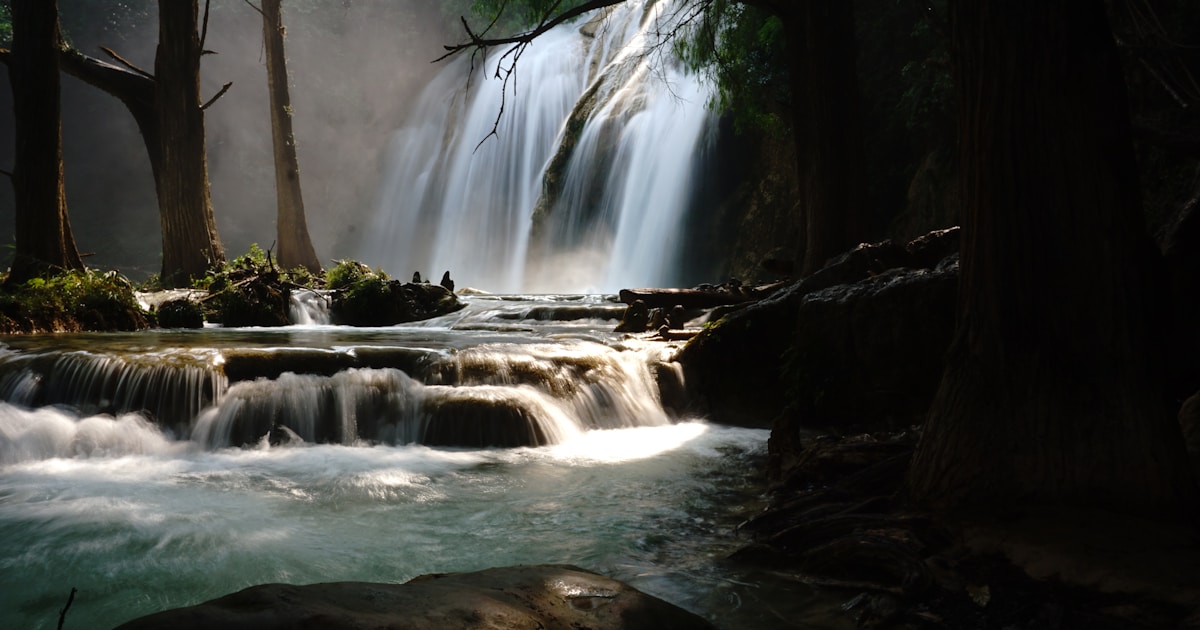
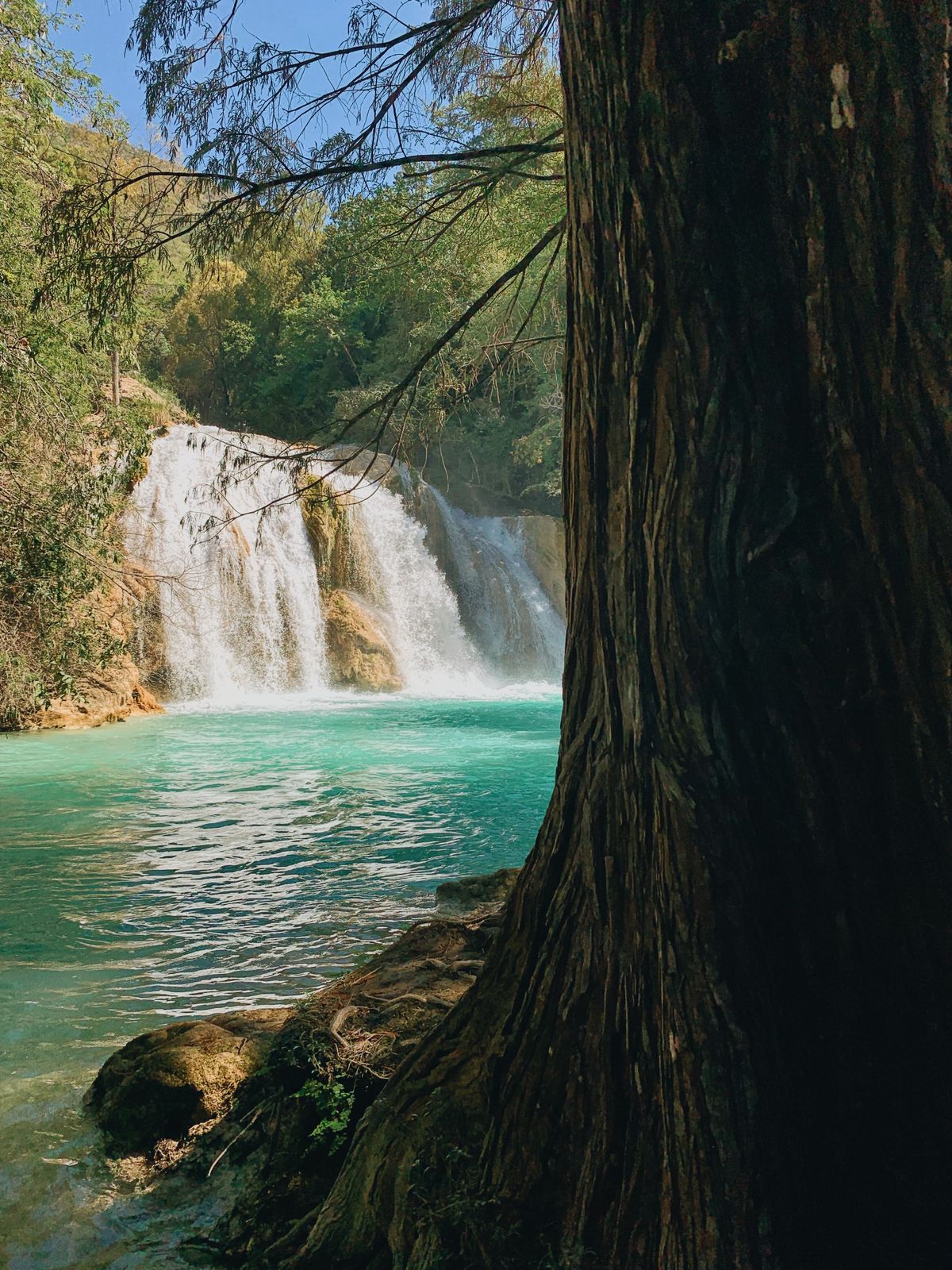
About an hour from Palenque, the cascades of Agua Azul tumble down a series of limestone shelves, creating pools of the most impossibly turquoise water you've ever seen. The color comes from mineral deposits in the limestone, and on a sunny day it looks almost unreal. Your kids will be in the water within thirty seconds of arrival.
The main swimming area is relatively safe for families - shallow pools above the falls where kids can wade and splash. There are also deeper pools below where older kids and teens can swim. We brought quick-dry travel towels and they were perfect - we were swimming, drying off, and swimming again all morning. There are small comedores and snack stands along the walkway, so you don't need to pack a full lunch.
Misol-Há is the other must-visit waterfall, a single dramatic 35-meter (115-foot) cascade that plunges into a deep pool surrounded by jungle. You can walk behind the waterfall on a path cut into the cliff. Sofia was absolutely thrilled by the spray and the roar of the water. It's a shorter visit than Agua Azul (about an hour is plenty), so the two waterfalls make a perfect combined day trip from Palenque.
A warning: the road between Palenque and Agua Azul is winding and mountainous. If your kids are prone to car sickness, dose them before you leave. The drive takes about 90 minutes each way, but the scenery through the highland jungle is gorgeous.
Sumidero Canyon: Mexico's Grand Canyon
Just outside Tuxtla Gutiérrez (the state capital, where most flights arrive), the Sumidero Canyon is a dramatic river gorge with walls rising up to 1,000 meters (3,300 feet) on either side. Boat tours run the length of the canyon and they are spectacular. We saw crocodiles sunning on the riverbanks, spider monkeys in the trees, and a waterfall cascading down the canyon wall into the river.
The boat ride takes about two hours and kids love it. Enough wildlife spotting and dramatic scenery to keep even short attention spans engaged. Give each kid a waterproof camera and let them document the trip. Some of my favorite photos from our entire Chiapas trip were the ones Mateo took from the boat - all crooked horizons and accidental artistry.
Most tours depart from Chiapa de Corzo, a charming small town worth exploring for an hour before or after your boat trip. The main plaza has a beautiful Moorish fountain and several good restaurants.
Lagos de Montebello: Jewel-Toned Lakes on the Guatemala Border
If you have an extra day and a rental car, the Montebello Lakes near the Guatemala border are extraordinary. This national park contains dozens of lakes, each a different shade of blue, green, or turquoise depending on the mineral content of the soil. Kids can swim in several of them and there are easy walking paths between them.
We visited three lakes in a half-day trip from San Cristóbal (about two hours each way). The park isn't heavily touristed, so we had most of the swimming spots to ourselves. Pack a picnic and good walking shoes for the kids - some of the paths are muddy and slippery, especially in the rainy season.
Indigenous Communities: Teaching Kids About Living Cultures
Chiapas is home to large populations of Tzotzil and Tzeltal Maya people, and visiting their communities is one of the most meaningful experiences you can share with your kids. The village of San Juan Chamula, about 20 minutes from San Cristóbal, has a church unlike any other in the world - the floor is covered in pine needles, candles flicker everywhere, and traditional Maya ceremonies happen alongside Catholic rituals.
Please visit with respect. Photography inside the church is strictly forbidden, and you should ask before photographing anyone in the village. Hire a local guide who can provide cultural context and ensure you're visiting responsibly. This is not a tourist attraction. It is a living, sacred community. But when approached with sensitivity, it's an incredibly powerful experience that teaches kids about cultural diversity in a way no textbook can. Tía Rosa drilled this etiquette into me as a kid: in Chamula, you are a guest in someone's church. Act accordingly.
Practical Tips for Chiapas with Kids
Getting There
Fly into Tuxtla Gutiérrez (TGZ), which has connections from Mexico City, Cancún, and other Mexican cities. From there, it's about an hour to San Cristóbal and about five hours to Palenque. Renting a car gives you the most flexibility, though the roads between cities are mountainous and slow. Comfortable shuttle services (colectivos) run between the major towns if you prefer not to drive.
When to Visit
November through April is the dry season and the best time for families. The waterfalls are fullest from August through November (rainy season), but the trade-off is daily afternoon downpours and muddy trails. Pack rain ponchos for the whole family regardless of when you visit. Chiapas weather is unpredictable, especially in the highlands.
Safety
We felt safe throughout our trip. San Cristóbal and Palenque town are well-touristed and friendly. Use normal travel precautions: keep valuables secure, don't drive at night on rural roads, check current travel advisories before your trip. The main tourist corridor between San Cristóbal, Palenque, and Tuxtla is well-traveled and straightforward. And same warning as everywhere else, cariño: do NOT take unmarked taxis from the airport. Pre-paid taxi inside the terminal, or a hotel-arranged shuttle.
Budget
Chiapas is one of the most affordable destinations in Mexico. A family of four can eat three meals for under $$30. Hotels and guesthouses run $40-80 per night for a comfortable room. Entrance fees to ruins and parks are minimal. You'll spend a fraction of what a Riviera Maya trip costs and get ten times the adventure.
A Week in Chiapas: Suggested Itinerary
Days 1-3: San Cristóbal de las Casas. Explore the town, visit markets and museums, day trip to San Juan Chamula, take a chocolate workshop, enjoy the evening paseo in the plaza.
Day 4: Drive to Palenque (5 hours with stops). Stop at Agua Azul and Misol-Há waterfalls en route. Arrive in Palenque for dinner.
Day 5: Palenque Ruins. Early morning at the archaeological site, afternoon at the museum or swimming in the river pools near the ruins entrance.
Day 6: Sumidero Canyon. Drive or shuttle to Chiapa de Corzo for the boat tour, explore the town, drive to Tuxtla for your flight.
Day 7: Fly home with jungle-scented memories and a camera full of waterfall photos.
Why We Are Going Back
Chiapas changed how my kids think about travel. Before this trip, vacations meant beaches and pools. After Chiapas, they ask about jungles and ruins and waterfalls. They want to know what people eat in different places, why buildings look different, whether there are monkeys. Chiapas made them curious travelers, and I cannot put a price on that.
If you're looking for a Mexico trip that goes beyond the resort experience - one that challenges your family in the best possible ways and leaves everyone with stories they'll tell for years - Chiapas is waiting. And the waterfalls really are that blue. Ándale.
Save this guide for later. Reapply sunscreen every two hours - the tropical sun is much stronger than you expect. Bring a reusable water bottle for everyone, refilled with sealed bottled water. Always pack a compact first aid kit - with kids, you never know when you'll need it.
Water Adventure Essentials
What I keep packed for Chiapas specifically:
- mineral sunscreen for kids
- kids snorkel mask set
- waterproof phone pouch
- waterproof dry bag
- insulated kids water bottle
- UPF 50+ kids sun hat
Chiapas is not the easy trip. The drives are long, the altitude in San Cristóbal will knock you sideways for a day, and the bathrooms at some of the ruins are a personality test. But what your family gets in return is a Mexico most American tourists never see - one with Mayan languages on every street corner, mole that makes you understand why people write poems about food, and water so blue it looks edited. Pack good shoes, pack patience, and pack an open mind. Sophie still calls Agua Azul "the magic water," and honestly, she's not wrong. Vale la pena, mamis. Every kilometer.
Recommended Products

Merrell Kids Trail Hiking Shoes
Waterproof hiking shoes for Chiapas waterfalls and ruins
View on Amazon


* Affiliate links: We may earn a commission from purchases made through these links, at no extra cost to you. See our full disclosure.