Jellyfish Season in the Mexican Caribbean: When to Worry, How to Treat a Sting, What to Pack
Three different jellyfish in the Mexican Caribbean - thimble, man-of-war, box - and exactly how to treat a sting. The medical advice the internet gets wrong, and what to pack.
Disclosure: Some links below are affiliate links. As an Amazon Associate I earn from qualifying purchases, and I may earn a commission from Booking.com, Mavely, and CJ partner links at no extra cost to you.
Cariño, the sargassum gets all the press but the jellyfish are the silent assassins. My cousin's husband took her teenage son to Cancun two springs ago, didn't think twice about an evening swim, and the kid came out of the water with welts up his entire leg from a thimble jellyfish swarm. They didn't know what hit him until the resort medic explained it. Tía Rosa called me from Mexico City the next morning to tell me to write something for moms, so here we are.
This is the post I wish someone had handed me before my first family trip to the Mexican Caribbean. Three different jellyfish-adjacent organisms, three different risk levels, and one common piece of medical advice that's been wrong on the internet for years. Let me walk you through it.
Three Different "Jellyfish" That Are Not All The Same Thing
People call everything a jellyfish. They're not the same.
1. Thimble Jellyfish (the "Sea Lice" Confusion)
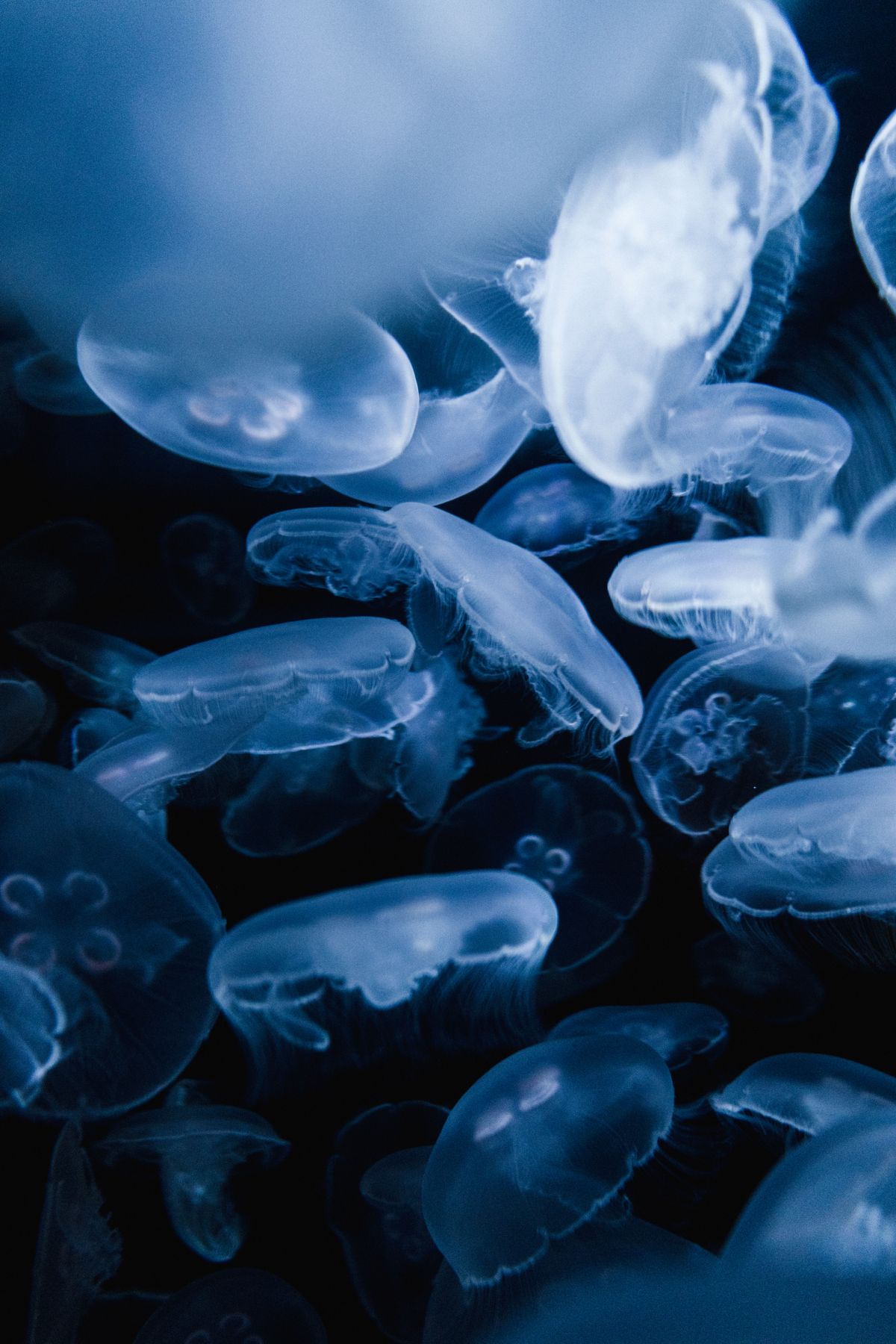
Thimble jellyfish are tiny - we're talking pinhead size in the larval stage. They show up in the Mexican Caribbean from late January through early June, peaking April and May. The larvae get trapped under your bathing suit and inside your hair, and when they're agitated (by the elastic of a swimsuit, by your kid running into shore), they release stinging cells.
The result: a rash of tiny red welts in the pattern of your kid's swimsuit. Itchy. Burns for 24 to 48 hours. Sometimes worse if your kid is already sensitive.
Fun fact that confuses everyone: Caribbean locals sometimes call these "sea lice." They are not lice. They are not even adult jellyfish. They are jellyfish larvae and the rash is called seabather's eruption.
2. Portuguese Man-of-War
Different organism entirely. Not a true jellyfish; it's a colony of polyps with a blue-purple gas-filled bladder that floats on the surface. Tentacles can hang 30 feet down. Stings are vicious. Mexican Caribbean authorities have issued man-of-war warnings on Quintana Roo beaches multiple times in recent years, especially when wind currents push them in.
You can spot them. The blue-purple sail on the water surface is unmistakable. If you see one washed up on the beach, do NOT let your kid touch it - the tentacles can still sting for hours after the animal dies.
3. Box Jellyfish
The box jellyfish in the Mexican Caribbean is Carybdea xaymacana. Smaller cousin of the deadly Australian variety, but still seriously dangerous. The sting can cause cardiac symptoms in severe cases. Children, elderly, and anyone with heart conditions are at higher risk for serious reactions.
Box jellyfish are most active at night and at dawn/dusk. They tend to hunt in shallow water along the same beaches kids play on. They're nearly transparent, which is part of why they're so dangerous - you don't see them until you've been stung.
Jellyfish Season by Month
This isn't an exact science, but here's the rough pattern from the Mexican Caribbean tourism boards and dive operators:
- January - March: Thimble jellyfish larvae start. Lower risk for adult stinging species.
- April - June: Peak thimble jellyfish season. Sea bather's eruption rashes are common. Man-of-war reports are most frequent in this window when winds shift.
- July - September: Lower thimble activity. Box jellyfish more active in warmer waters, especially around Cozumel and Riviera Maya reefs.
- October - November: Generally lower risk for all species. Sweet spot.
- December: Low risk, occasional cold-front-related arrivals.
The big caveat: jellyfish move with currents and winds. A "low risk" month can have a single bad day. Always check at the resort or with a lifeguard before you swim, especially with kids.
How to Reduce Risk
I am not the mom who tells you not to swim. I'm the mom who tells you how to swim smarter.
- Don't swim at dusk or after dark. Especially in shallow water. Box jellyfish hunt at low light. This is the single biggest behavioral change.
- Check the beach flag. Mexican Caribbean beaches use flag systems. Purple flag = dangerous marine life. If you see purple, don't swim. Red is for currents/conditions, but combined with purple it's a hard no.
- Wear a rashguard. Long-sleeve UPF rashguards reduce thimble jellyfish exposure dramatically. Stinger suits (full body Lycra) are the gold standard for jellyfish-prone water in Australia and they work here too if you can find them. For kids, a long-sleeve swim shirt is the everyday version.
- Skip the swimsuit elastic during peak thimble months. If your kid is going in the water during April-May Riviera Maya, a swimsuit that doesn't have tight bands at the waist or thighs gives the larvae fewer places to get trapped.
- Rinse with seawater first, then change. If you've been in the water during thimble season, do NOT shower in fresh water with your bathing suit on. Fresh water on trapped larvae makes them release toxins. Take the suit off first, then shower.
- Don't pet anything. Including the jellyfish washed up on the sand. Including the man-of-war "balloon" that looks fascinating. Including the seemingly cute purple things in the tide pool. No manches.
How to Treat a Sting (And the Things You'll See on the Internet That Are Wrong)
Treatment depends on the species but the broad medical consensus has shifted in recent years. Here's the current best advice based on guidance from the American Heart Association and tropical-medicine sources.
For Suspected Box Jellyfish OR Man-of-War (the dangerous ones):
- Get out of the water immediately. Don't rub or rinse with sand.
- Rinse the affected area with vinegar. Standard household vinegar (acetic acid). Pour generously for at least 30 seconds. This deactivates undischarged stinging cells (nematocysts). Do NOT use fresh water - it triggers more stinging.
- Carefully remove visible tentacles with tweezers or a credit card edge. Don't use bare hands.
- Soak in hot water at the highest temperature the person can tolerate without burning, ideally 110-113°F (43-45°C), for 20 to 45 minutes. Hot water deactivates jellyfish toxins.
- For box jellyfish: GO TO THE HOSPITAL. I cannot say this clearly enough. Box jellyfish stings can cause cardiac arrest. Even if symptoms seem mild initially, get to a clinic. Mexican Caribbean resorts have on-site medics; ask the front desk to call one.
- For man-of-war: Same protocol; severe reactions need medical care, especially for kids.
For Thimble Jellyfish (Seabather's Eruption):
- Get the swimsuit OFF before showering. Don't shower in the suit.
- Rinse skin with seawater first, then shower in fresh water.
- Apply an anti-itch cream with hydrocortisone or calamine.
- An antihistamine (Benadryl by mouth) helps with the itch and the welts.
- Wash the swimsuit in hot water with detergent before wearing again - the larvae cling.
What NOT To Do
- Do NOT pee on a sting. This is the most persistent piece of bad advice on the internet. It does not help. In some cases it can make things worse.
- Do NOT rinse with fresh water on a man-of-war or box jellyfish sting before applying vinegar. Fresh water triggers undischarged nematocysts.
- Do NOT scrub with sand or rub with a towel. You're driving the stinging cells deeper into the skin.
- Do NOT apply ice directly to a man-of-war or box jellyfish sting. Hot water is the protocol, not cold.
What to Pack for Jellyfish Season
If you're traveling to the Mexican Caribbean during peak jellyfish months (basically April through September) here's what I bring:
- Vinegar. A small bottle of plain white vinegar in your beach bag. The resort medic has it but if you're 30 minutes from the hotel, you have it on hand. Decant into a travel bottle.
- Antihistamine cream with hydrocortisone for itching. And oral Benadryl for kids who are old enough to take it (consult your pediatrician on doses).
- Mineral reef-safe sunscreen. Required by Mexican environmental rules for cenotes and reefs.
- Wide-brim sun hats for kids. Sun protection layered with rashguards is the move.
- Water shoes. Stepping on a beached man-of-war barefoot is a special kind of nightmare. Water shoes prevent that and are good for cenote rocks.
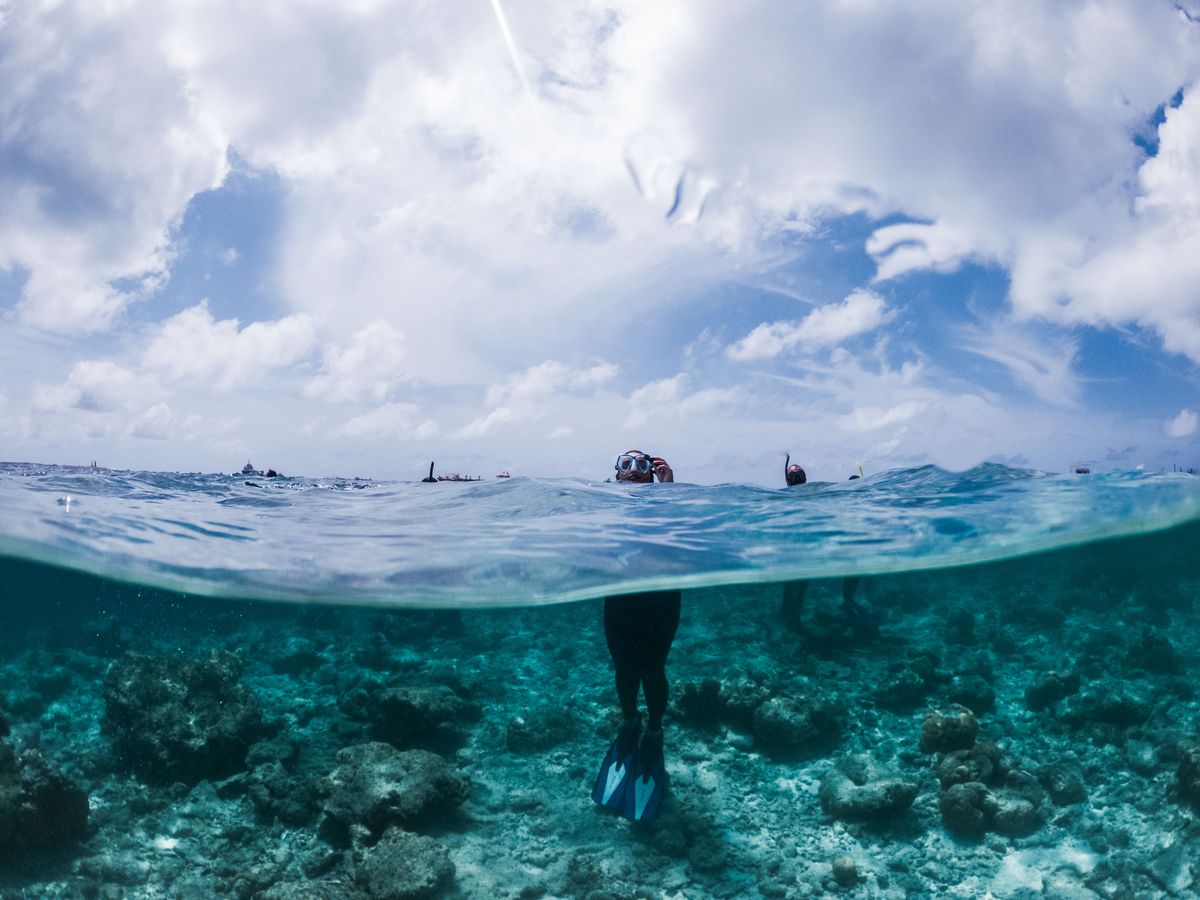
- Snorkel masks for the kids. So they can see what's in the water before they swim through it. Visibility helps.
- Packing cubes. To separate the swimwear that's been through thimble water from your dry clothes. Also, after a sting, you'll want the contaminated suit isolated until you can wash it in hot water.
- Mosquito bracelets for the kids. Off-topic but the same packing run, jungle mosquitoes are a thing.
The Other Warnings I Always Give
While we're on Mexican Caribbean safety: don't drink the tap water, don't brush your teeth with it, and skip the ice in drinks at street stalls. The "free welcome shot" at all-inclusive resorts is the cheapest tequila on the property and it sets your stomach up for failure on day one. Ask for sealed bottled water.
Don't take the unmarked taxis from Cancun airport. Pre-book ADO bus or use the pre-paid taxi counter inside baggage claim. The curbside guys triple the price.
And Tía Rosa's perennial warning: anyone offering you a "free welcome breakfast" or "free transportation" at the airport is selling timeshare. Walk past. Just walk past.
The Honest Reality
The Mexican Caribbean is one of the most beautiful coastlines on the planet and it has dangerous marine life. Both things are true. With kids, you swim during the day, you wear rashguards, you pay attention to the flags, you carry vinegar, and you don't panic. Box jellyfish stings are rare but real, so you also know which way the hospital is.
Mateo got stung by a thimble jellyfish his second day in Tulum two years ago. We had vinegar, hydrocortisone, and Benadryl in the room. He was crabby for an evening, fine the next day. Sofia hasn't been stung yet. We've been three more times since. The trip happens. You just go in informed.
Ándale, now go pack the vinegar.
Recommended Products
Thinksport SPF 50+ Mineral Reef Safe Sunscreen 6oz
Reef-safe mineral sunscreen approved for Mexico cenote and beach areas. SPF 50+ vegan formula.
View on Amazon
Full Face Snorkel Mask for Kids Anti-Fog 180 Degree
Anti-fog full-face snorkel mask sized for kids - great for Holbox whale shark trips and Akumal turtle snorkeling.
View on Amazon
Kids Sun Hat UPF 50+ Wide Brim with Chin Strap
Wide brim UPF 50 sun hat for boys and girls with adjustable chin strap to keep it on at the beach or pool.
View on Amazon
BAGAIL 8 Set Packing Cubes for Travel
Eight piece packing cubes set for organizing the whole familys clothes across multiple Mexico stops.
View on Amazon
Stelle Kids Water Shoes Quick Dry Non-Slip
Quick dry kids water shoes for cenotes rocky beaches and snorkeling in the Riviera Maya.
View on AmazonCliganic 10 Pack Mosquito Repellent Bracelets DEET-Free
DEET-free natural mosquito bracelets - kid-safe extra defense for jungle and beach destinations.
View on Amazon* Affiliate links: We may earn a commission from purchases made through these links, at no extra cost to you. See our full disclosure.