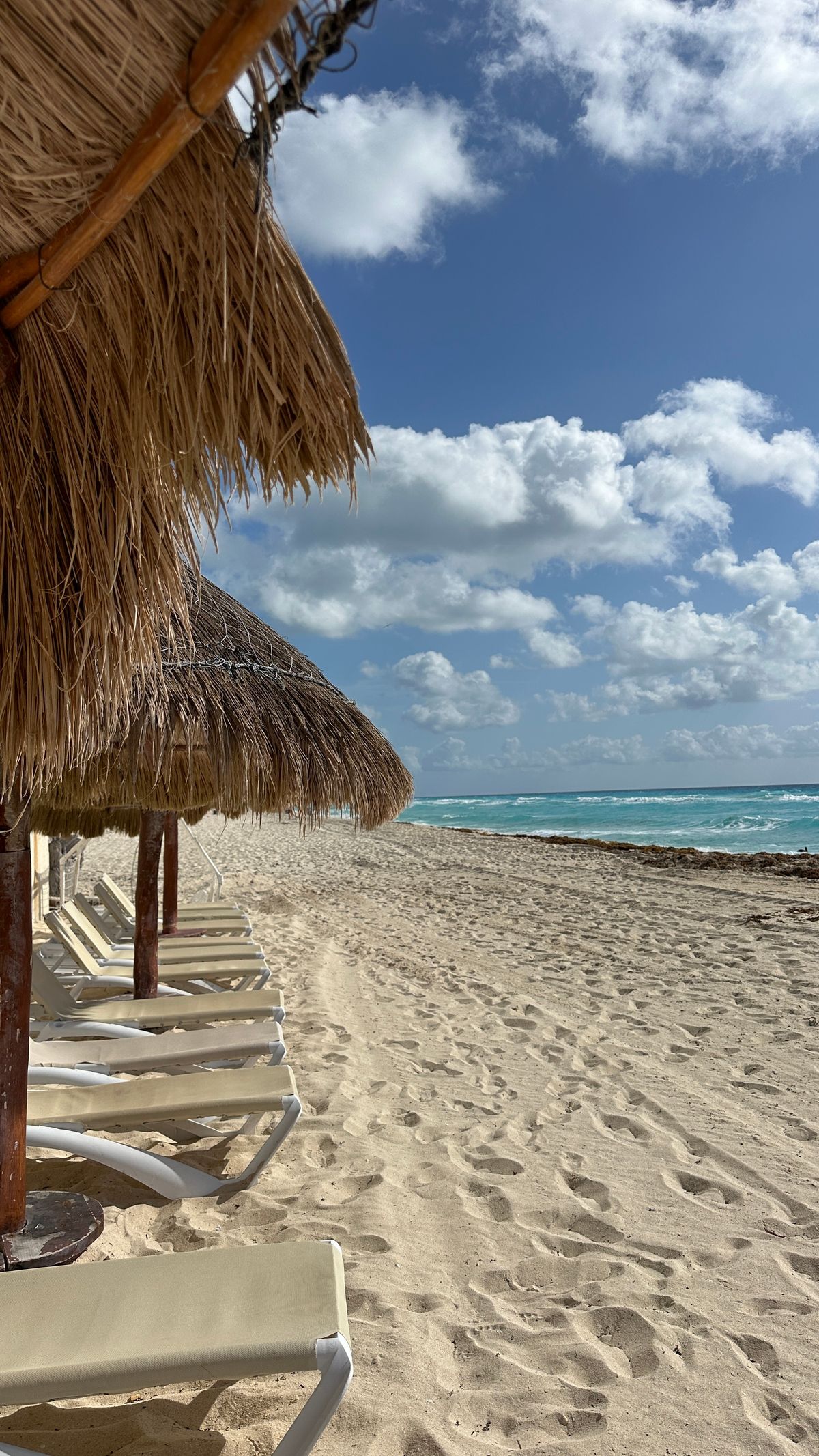
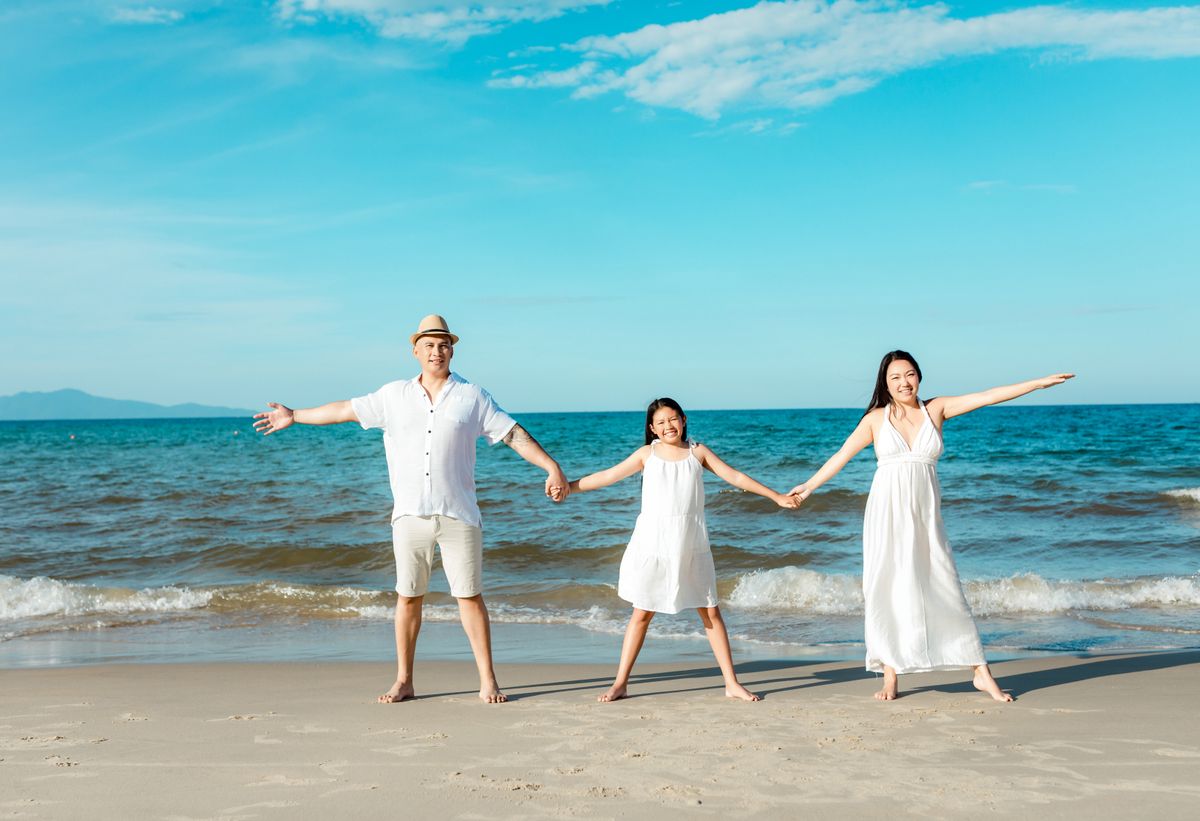
Mira, I still remember the first time I took Matty and Sophie to a Mexican beach. Turquoise water, warm sand, the sound of waves. Everything I had imagined, and yet there was that little voice in the back of my head whispering: is this safe? Am I doing this right?
If you have that same voice, good. It means you are a thoughtful parent. But I want to help you quiet that worry so you can actually enjoy the beauty of Mexico's coastline with your family. Beach days here can be wonderful when you go in prepared. This is everything I have learned, from flag systems to first aid, so you and your kids can have the kind of beach memories that last a lifetime.
Mexican Beach Flags - Learn These Before You Lay Down a Towel
Before you set up, look for the flag at the lifeguard station or beach entrance. Mexican beaches use a color-coded system that tells you exactly what conditions you are walking into. Learning these flags is one of the simplest and most important things you can do for your family.
- Green Flag - Calm. Swimming is considered safe, though you should always supervise children.
- Yellow Flag - Moderate conditions. Currents or surf may be stronger than usual. Swim with caution, keep kids in shallow water close to shore.
- Red Flag - Dangerous. Strong currents, high waves, or other hazards. Swimming is strongly discouraged. With children, treat a red flag as a firm no.
- Double Red Flag - The ocean is closed. Do not enter. Ay, no.
- Black Flag - Evacuation. Leave the beach.
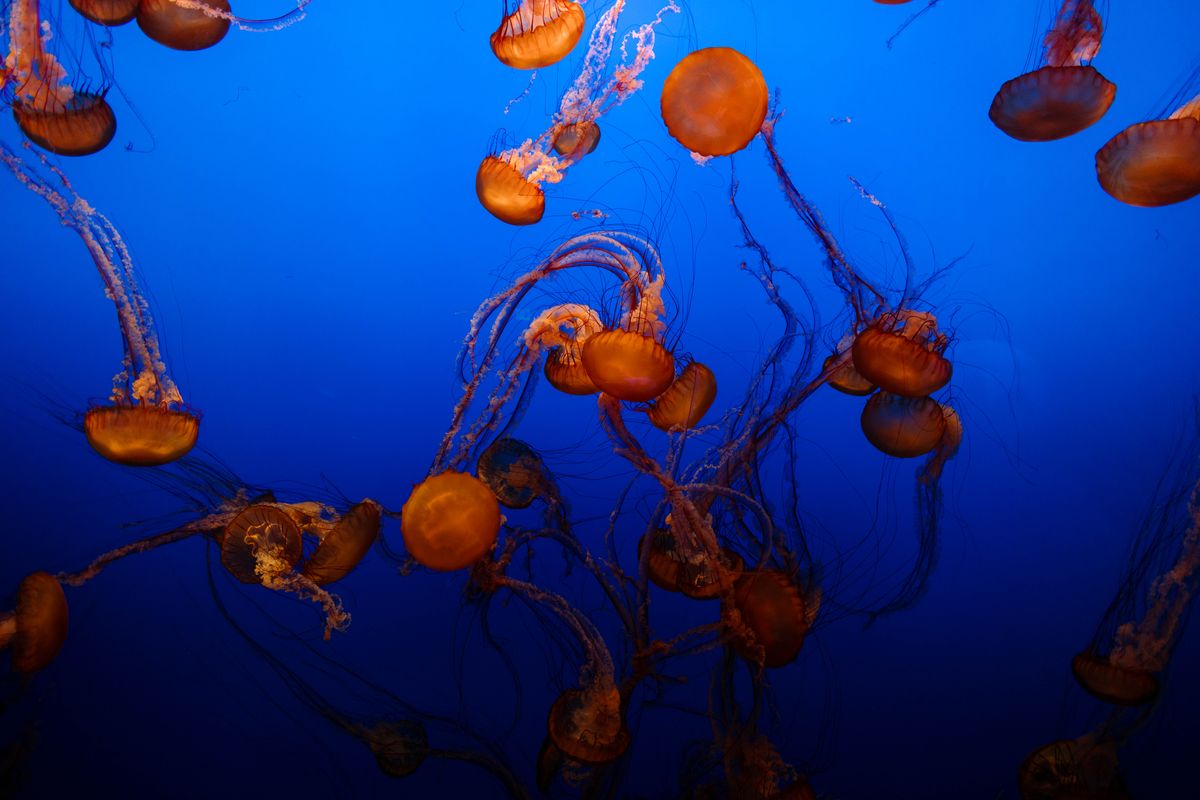
- Purple Flag - Hazardous marine life spotted, like jellyfish or stingrays.
Not every beach in Mexico has a lifeguard or posted flags. If you arrive at an unflagged beach, ask local vendors or restaurant staff about current conditions. They swim these waters and will give you straight answers.
Rip Currents - How to Spot Them and What to Do
Rip currents are the single greatest water hazard at any beach, and Mexico's Pacific coast beaches are especially prone. A rip current is a strong narrow channel of water flowing away from shore, and it can pull even strong adult swimmers out to deeper water in seconds.
How to Spot One
- Look for a channel of churning, choppy water between calmer areas.
- Watch for a noticeable difference in water color. The rip often looks darker because it is deeper.
- Foam, seaweed, or debris moving steadily out to sea can indicate a rip path.
- A gap in the incoming wave pattern is another telltale sign.
What to Do If You Are Caught
- Stay calm. Do NOT fight the current by swimming directly toward shore. Híjole, this is what gets people in trouble.
- Swim parallel to the beach until you feel the pull ease, then angle back.
- If you cannot swim out of it, float on your back and signal for help. Rip currents will not pull you under, only outward.
- Teach older children this rule before they ever enter the water. Practice it on dry land so it becomes instinct.
Stand at the shoreline for five to ten minutes before letting your kids in. Watch the water. Get a feel for the patterns. If anything looks off, trust your gut and move down the beach.
Sun Protection
The sun in Mexico is no joke, especially along the coast where reflection off the water amplifies UV. Sun safety here comes with an important twist many visiting families do not know: Mexico has regulations requiring reef-safe, biodegradable sunscreen in many coastal areas and at eco-parks.
Reef-Safe Sunscreen Rules
Standard sunscreens containing oxybenzone and octinoxate are banned at many Mexican beaches, cenotes, and all Xcaret group parks. These chemicals damage coral reefs and marine ecosystems. Show up to an eco-park with non-compliant sunscreen and you will be asked to purchase an approved alternative on-site at a premium price.
What to buy: mineral sunscreens with zinc oxide or titanium dioxide as active ingredients. Non-nano formulas only - meaning the mineral particles are large enough that they will not be absorbed by marine organisms. Reef-safe mineral SPF 50 is ideal for kids and compliant.
Timing
- Apply 15 to 20 minutes before heading to the beach. Reapply every two hours or immediately after swimming.
- Plan beach time for mornings before 11 am or afternoons after 3 pm when UV is less intense.
- During peak hours (11 am to 3 pm), break for lunch in the shade or head to the pool.
- Dress kids in UPF 50+ rash guards and wide-brimmed hats for an extra layer of physical sun protection that does not wash off.
Water Safety by Age Group
Toddlers and Preschoolers (Ages 1 to 4)
At this age, the ocean is for wading, not swimming. Stay in ankle-deep to calf-deep water and always maintain arms-reach contact. Waves that seem gentle to you can knock a toddler off their feet in an instant. A USCG-approved puddle jumper life jacket adds an important layer of safety, even in shallow water. Never rely on inflatable toys or water wings as flotation devices.
Watch for sudden drop-offs. Mexican beaches can shift dramatically in depth within just a few steps.
School-Age Children (Ages 5 to 9)
Kids in this range are developing confidence in the water, which can be both wonderful and risky. They may overestimate their swimming ability in ocean conditions that are very different from a pool. Set clear boundaries about how far out they can go, ideally no deeper than waist height. Assign a dedicated adult watcher any time they are in the water. We learned with Matty to literally tag-team eyes-on-water duty.
Preteens and Teens (Ages 10 and Up)
Older kids may want more independence, and that is reasonable as long as they understand rip currents, know the flag system, and always swim with a buddy. Go over water safety rules with them before the trip. Make sure they know not to dive headfirst into waves - shallow sandbars cause serious neck and spinal injuries every year.
Jellyfish and Sea Life
Jellyfish are present on both Mexico's Caribbean and Pacific coasts, with sightings most common during warmer months. Beach authorities in areas like Los Cabos and Playa del Carmen issue jellyfish alerts when activity is high, sometimes posting white flags.
Prevention
- Check with lifeguards about recent jellyfish activity before entering the water.
- Rash guards and swim leggings provide a physical barrier.
- Avoid swimming near clusters of seaweed, where jellyfish often congregate.
- Teach kids to never touch a jellyfish on the beach, even if it looks dead. The tentacles still sting.
First Aid for Jellyfish Stings
- Remove the child from the water calmly.
- Rinse the affected area with vinegar to neutralize remaining stinging cells.
- Use tweezers to carefully remove visible tentacle fragments. Do not rub.
- A warm (not hot) soak or shower can help reduce pain.
- Seek medical attention if the child develops difficulty breathing, chest pain, or a severe allergic reaction.
Beyond jellyfish, teach kids the stingray shuffle: when walking in shallow water, slide your feet along the sandy bottom rather than stepping down. Warns the rays of your approach so they swim away instead of stinging in defense.
The Safest Beaches in Mexico for Families
Not all Mexican beaches are equal. Some have dangerously strong currents year-round; others are as calm as a bathtub.
- Playa Balandra, La Paz (Baja California Sur) - Widely considered one of the most beautiful beaches in Mexico. Shallow, sheltered bay with crystal-clear water that rarely rises above waist height. Practically made for families with small children.
- Isla Mujeres (Caribbean) - Just a short ferry ride from Cancun, calm protected Caribbean waters. Playa Norte is consistently ranked among the best beaches in Mexico.
- Isla Holbox (Yucatan) - Car-free island with mellow, shallow beaches and warm water. The pace of life makes it relaxing.
- Huatulco (Oaxaca) - Nine scenic bays along the southern Pacific coast with calm, well-protected coves. Strong eco-tourism infrastructure.
- Sayulita and Riviera Nayarit (Pacific) - Sayulita has a beginner-friendly surf break and a family-oriented town vibe.
- Playa del Carmen (Caribbean) - Caribbean side generally calmer than the Pacific. Wide beach with relatively gentle waves and easy access to amenities.
On the Pacific coast, exercise extra caution. Beaches around Zihuatanejo, Puerto Escondido, and parts of the Oaxacan coast can have very strong surf and undertow. Always research specific beaches before your trip, and when in doubt, choose the Caribbean side for calmer conditions.
Food and Water Safety at the Beach
Stomach illness can ruin a beach vacation faster than anything else. Bring a reusable water bottle for everyone. Pack picaridin insect repellent - mosquitoes get aggressive at dusk. A waterproof phone case lets you take photos worry-free.
- Drinking water: Always bottled or purified, including for brushing teeth. Don't even brush your teeth with tap water. Most hotels and restaurants use purified water and ice, but at beachside palapas, ask.
- Street food and beach vendors: Fresh fruit from beach vendors is generally fine, but make sure it has been recently cut and ideally prepared in front of you. Be cautious with raw seafood like ceviche from beach stands if you have sensitive stomachs.
- The buffet at all-inclusives: Norovirus from buffets is a real risk. Eat fresh, eat hot, skip the cold seafood spread. I am not kidding.
- Hand hygiene: Bring hand sanitizer or biodegradable wipes. Kids who have been playing in sand and saltwater should clean their hands before eating.
- Hydration: Kids dehydrate faster than adults, especially in heat and salt water. Bring more water than you think you need.
- Cooler packing: If you bring snacks, keep them in an insulated cooler with ice packs. Food spoils quickly in tropical heat.
First Aid Essentials to Pack
A compact, waterproof first aid kit is one of the most important things in your beach bag.
- Adhesive bandages in assorted sizes (sand and saltwater get into everything).
- Antiseptic wipes and antibiotic ointment.
- Tweezers for splinters, sea urchin spines, or jellyfish tentacle fragments.
- A small bottle of white vinegar for jellyfish stings.
- Children's pain reliever (acetaminophen or ibuprofen).
- Antihistamine (like children's Benadryl) for allergic reactions.
- Hydrocortisone cream for bug bites and minor irritation.
- Sting relief pads.
- Electrolyte packets for dehydration.
- Aloe vera gel for sunburn.
Keep this kit sealed in a waterproof bag or dry box. Sand and humidity will compromise supplies quickly otherwise.
When to Skip the Beach Day
Part of keeping your family safe is knowing when to say no.
- Red or double red flags are posted. Not negotiable, no matter how calm the water may look from your hotel balcony.
- Recent storms. Heavy rain causes dangerous rip currents, increased debris, and higher bacterial counts from runoff.
- Your child is sick or overtired. A tired or unwell child is more vulnerable to accidents in the water.
- No lifeguard and you are unfamiliar with the beach. If you do not know the local currents and there is no one on duty, it is not worth the risk.
- Jellyfish or marine life warnings. Purple flags and local alerts mean it is a good day for the pool or exploring town.
- Midday heat with no shade. Heat exhaustion is a real danger for kids. If there is no palapa, umbrella, or natural shade, save the beach for a cooler hour.
There is no shortage of beach days in Mexico. Skipping one for safety just means tomorrow's will be that much more enjoyable.
Carla's Standard Mexico Travel Warnings (You Knew These Were Coming)
- Cancun airport ATMs: Use the bank ATMs INSIDE baggage claim, never the curbside ones. The curbside ones charge upwards of 30% in hidden fees. Repeat after Carla: walk past them.
- The "free welcome breakfast" guy: Timeshare scam. Walk past, do not engage.
- The "free welcome shot" at all-inclusive check-in: Cheapest tequila on the property. Smile, ask for sealed water instead.
- Cab drivers with "no change": Have small bills ready, ask for a receipt before handing over money.
- Mexico's interior states - mosquitoes: Bring picaridin, bring it now. Citronella is decoration.
Emergency Contacts
Save these in your phone before you leave.
- Mexico emergency services (police, fire, ambulance): 911 - works the same as in the United States, English-speaking operators in major tourist areas.
- Mexican Red Cross (Cruz Roja): 065 from a Mexican phone line.
- U.S. Embassy in Mexico City: +52 55 5080 2000.
- U.S. Consular Agents: Available in Cancun, Puerto Vallarta, Cabo San Lucas, Playa del Carmen, and other tourist hubs. Look up the nearest one at travel.state.gov before your trip.
- Tourist assistance hotline (SECTUR): 078 from any phone in Mexico - 24-hour service, English or Spanish.
Make sure your travel insurance covers emergency medical evacuation, not just doctor visits. Know the location of the nearest hospital or clinic to your accommodation. Many resort areas have excellent private hospitals with English-speaking staff, but rural beach towns may be farther from medical care.
At the end of the day, beach safety in Mexico comes down to the same principles that keep kids safe anywhere: preparation, awareness, and trusting your instincts. The vast majority of families who visit Mexico's beaches have an incredible time. With a little planning and the right gear in your bag, yours will too.
Stay safe out there, mama. And enjoy every sandy, sun-soaked minute of it.

Save this guide for later