Monarch Butterfly Migration in Michoacan: Family Day Trip from Mexico City
Hundreds of millions of monarchs winter in Michoacan's oyamel forests. A mom's guide to the El Rosario and Sierra Chincua sanctuaries from CDMX, with altitude warnings.
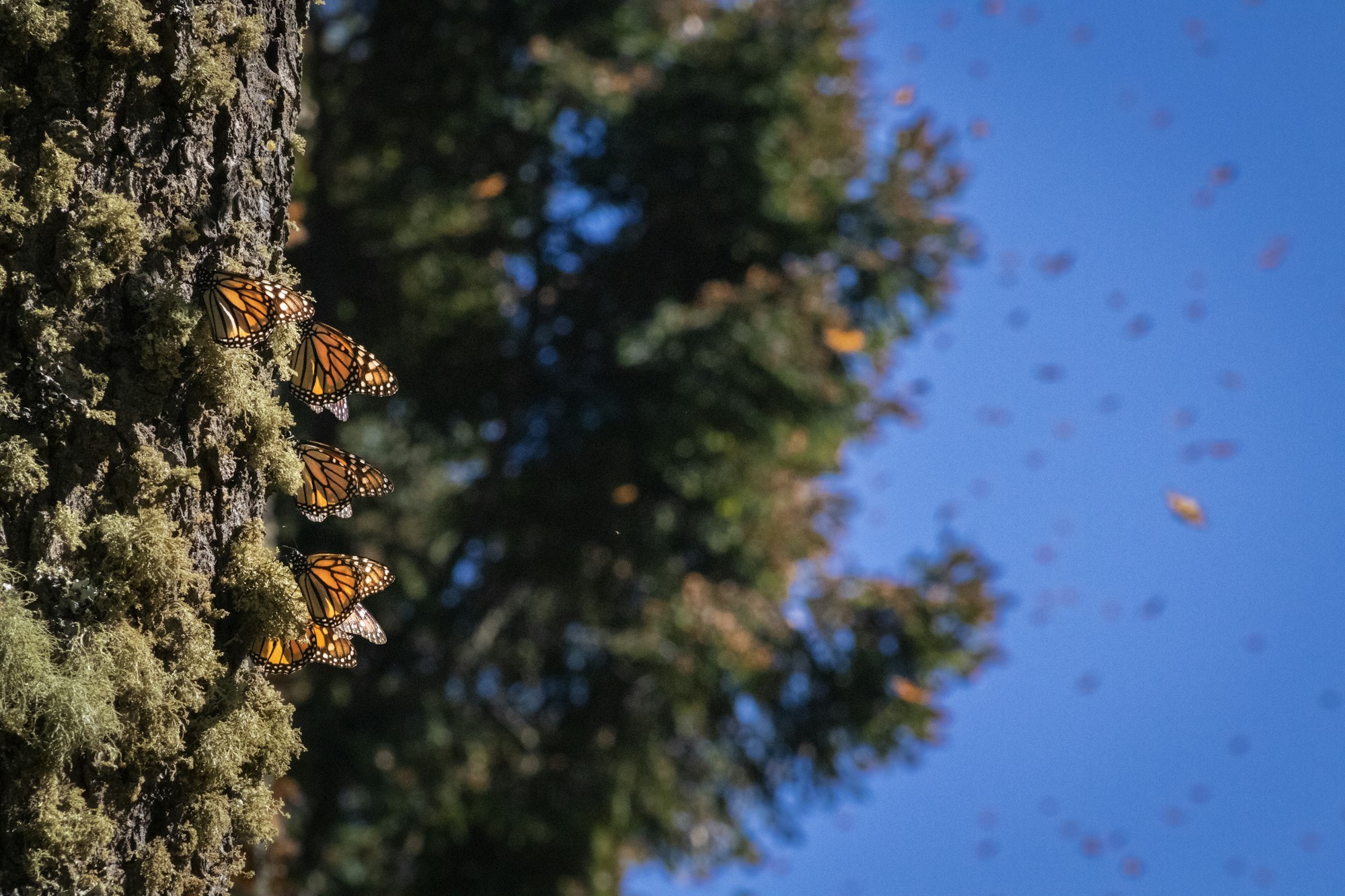
Every November, hundreds of millions of monarch butterflies finish a 3,000-mile journey from Canada and the northeastern United States and arrive in the oyamel fir forests of Michoacan. They cluster so thick that branches sag under their weight. They blanket the forest floor in orange. They explode into the sky in waves when the morning sun warms the trees. It is one of the great migration spectacles on Earth, and it happens within day-trip distance of Mexico City.
Disclosure: Some links below are affiliate links. As an Amazon Associate I earn from qualifying purchases, and may earn from Booking.com, Mavely, and CJ partner links at no extra cost to you.
Eddie and I took Bella for the first time when she was four. She is six now and she still talks about it. As a gringa who got knocked flat by altitude my first week in CDMX, I have a few hard-won notes. Here is what I learned, sanctuary by sanctuary.
The Quick Verdict
- Season: late November through early March (peak: mid-January through mid-February)
- Best for kids: ages 6 and up who can handle a moderate hike at altitude
- Distance from CDMX: 3-4 hours each way (long day trip, easier as overnight)
- Two main family-friendly sanctuaries: El Rosario and Sierra Chincua
- Difficulty: 1.5-2 mile uphill hike at 10,000-plus feet
- Cost: $5-$10 per person entry plus $3-5 mandatory guide fee, plus tour or driver costs

The Monarch Migration Story (Tell Your Kids)
This is one of the great natural history stories. Tell your kids the basics before you go.
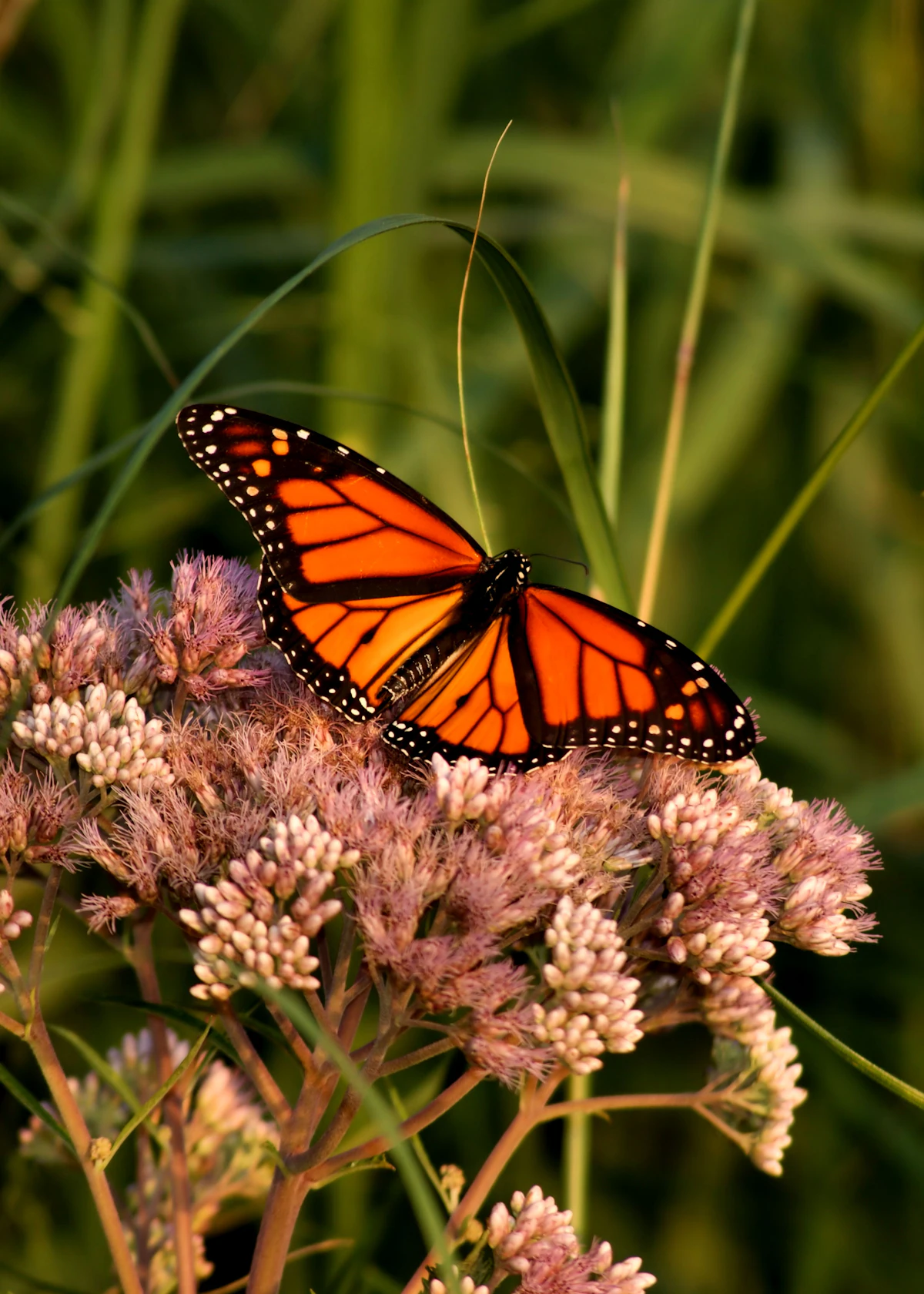
The monarchs that hatch in late summer in the northern US and southern Canada are biologically different from regular monarchs. They are the "super generation." They live 8-9 months instead of the usual 4-6 weeks, they hold off on reproducing until spring, and they fly south.
This super generation flies up to 3,000 miles, passing through every US state east of the Rockies, and arrives in central Mexico in late November. They land in the same forests their great-great-grandparents left the previous spring. No individual butterfly has ever been there before. Scientists think they navigate by the sun's position and the Earth's magnetic field, but the truth is nobody is fully sure.
They cluster in the oyamel firs of the Michoacan highlands because the microclimate, cool but not freezing, humid but not wet, dim but not dark, is exactly what their bodies need to survive winter. They stay until mid-March, then begin the journey north, reproducing along the way and dying. It takes 3-4 generations to complete the trip back. The next super generation hatches in late summer and the whole cycle starts again.
This is the kind of story kids remember. Bella still recites the "great-great-grandparents" part word for word.
The Two Best Family Sanctuaries
The Monarch Butterfly Biosphere Reserve has multiple sanctuaries open to visitors. For families on a CDMX day trip, two are realistic.
El Rosario (Best Overall for First-Time Families)
The most famous and most visited sanctuary. Largest concentration, best visitor infrastructure. The hike from the entrance up to the butterfly clusters is about 2 miles round trip with significant elevation gain - you climb from roughly 9,500 to over 10,000 feet. Local guides are mandatory and helpful. Horseback rides up the mountain are available for $15-25 per person and most families with younger kids should take them. We did, no shame.
Sierra Chincua (Less Crowded, Slightly Easier Hike)
About 30 minutes from El Rosario. Smaller crowds, beautiful forest, butterflies often roost lower (sometimes at eye level). The hike is similar distance but less steep. Horses are also available.
Both sanctuaries are managed by the local indigenous (Mazahua and Otomi) communities. Your visit directly supports the people who protect these forests year-round. Tip your guide.
The Altitude Reality Check
Both sanctuaries sit above 10,000 feet (3,050 meters). For comparison, Denver is 5,280 feet. Cusco is 11,150 feet. If you have not acclimated, the altitude WILL hit you and your kids. Headache, shortness of breath, nausea, fatigue, slow walking pace.
If you live at sea level and you are doing the sanctuary as a day trip from CDMX (which itself is at 7,350 feet), you will feel it immediately at the trailhead. I felt it on day one in Mexico City three years ago and I still feel it every time I come back. Build in time. Walk slow. Drink water like it is your job. If your kid says their head hurts, turn back. It is not worth pushing.
To minimize altitude impact:
- Spend at least 2-3 days in CDMX before the trip to start acclimating
- Hydrate aggressively
- Skip alcohol the night before
- Take horses up. The descent is the harder part on the lungs anyway.
- Sleep at a lower-altitude town (Angangueo or Zitacuaro) the night before instead of returning to CDMX same day
Day Trip vs Overnight
Day Trip from CDMX
Doable but exhausting. Leave CDMX by 6 am, arrive at trailhead by 10 am, hike 11 am to 1 pm, lunch 1-2 pm, drive back arriving CDMX by 7 pm. Thirteen hours. Hire a driver-guide ($150-$300 per car) or join a small-group tour ($60-$120 per person).
Overnight in Angangueo or Zitacuaro
Highly recommended for families. Drive from CDMX in the afternoon, sleep in a small mountain town, hike the sanctuary in the morning when butterflies are most active, drive back to CDMX after lunch. The towns are charming, the night sky at altitude is incredible, and you skip 6 hours of driving in one day.
Recommended Hotels in Angangueo
- Hotel Don Bruno. Simple, family-friendly, walking distance to town center.
- Hotel Plaza Don Gabino. Basic but clean.
- El Refugio del Salto. Rustic mountain ecolodge.
And small-town caveat: bring cash. Several of these places are not taking cards even now. Don Luis, my old landlord and the man who taught me to make mole, used to laugh that the gringos in San Miguel always thought "cash only" was a typo. It is not. Believe the sign.
Best Time of Day to See Butterflies Active
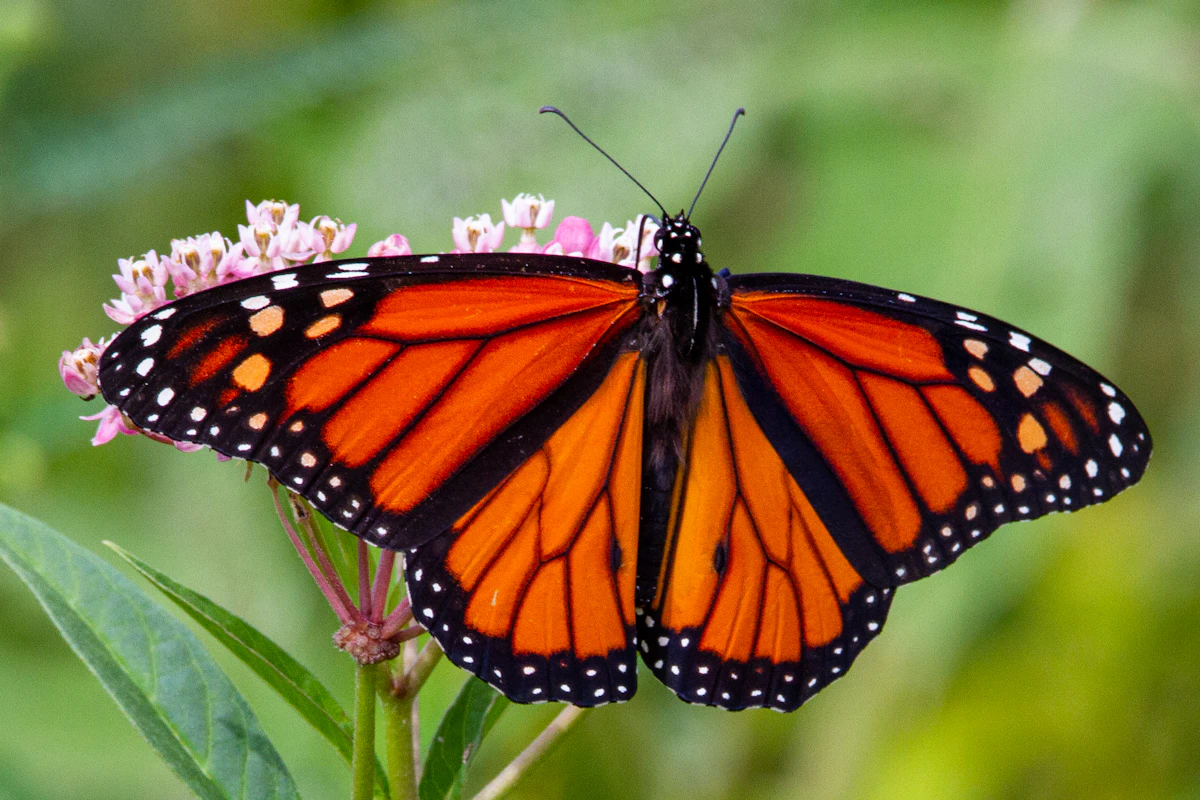
Butterflies are active when the sun is shining and the temperature is above 55°F (13°C). Cold mornings, they cluster motionless. Warm afternoons, they swarm in the millions. Plan to arrive at the cluster site between 11 am and 2 pm.
Best Time of Season
Mid-January through mid-February is the absolute peak. Most concentrated, weather most reliable, sanctuary in full activity. Early November and late February are quieter but still magical. December weeks around Christmas are crowded with Mexican families on holiday. Best avoided unless you book very early.
What to Pack for the Sanctuary
Mountain weather: cold morning, warm midday, cold late afternoon. Layers are everything.
- Columbia Womens Benton Springs fleece as the perfect mid-layer for the temperature swing
- Columbia kids rain jacket as wind and rain layer over the fleece
- A travel pashmina scarf for the cool morning drive and warm afternoon descent
- Reef-safe SPF 50 sunscreen. Altitude sun is intense even when the air is cool.
- UPF kids sun hats with chin strap for the open ridges
- Insulated kids water bottles. Altitude dehydrates fast. Drink constantly.
- Compact 10x25 binoculars for spotting clusters higher in the trees
- TOY Life bug catcher kit with butterfly net. Leave the net at home (catching is illegal at the sanctuaries) but the magnifying glass is great for inspecting a fallen wing on the trail.
- Kids travel journal. Bella filled three pages.
- Lonely Planet Pocket Mexico City for offline reference
- Sturdy closed-toe walking shoes. The trail is dirt with rocks and roots.
- Snacks for the hike. Granola bars, nuts, dried fruit.
- Cash for entry, guides, horses, and lunch.

The Critical Etiquette Rules
Brief your kids before you arrive:
- No touching the butterflies, ever. Their wings are fragile and oils from human skin damage them.
- No catching, no collecting. Federally illegal. Don't even attempt.
- Stay on marked trails. Butterflies cluster on the forest floor where you cannot see them. Off-trail walking kills them.
- Whisper. The butterflies wake to vibrations.
- No flash photography. Disorients the clusters.
- Do not shake the trees. Photographer-tour-bus behavior. Harmful and prohibited.
- Listen to your guide. They know which areas to enter and which to avoid.
The Actual Experience
You arrive at the sanctuary entrance after the drive. You pay entry, hire a guide. You start hiking up through pine forest. Around the 30-45 minute mark, you start seeing individual butterflies fluttering by. Then more. Then you round a corner and the trees in front of you look orange and brown until you realize the bark is butterflies, hanging in clusters the size of dinner plates and turkey roasters.
If the sun comes through, the trees explode. Tens of thousands of butterflies take to the air at once. They sound like rain falling. They land on your jacket, on your kid's hat, on the trail. Bella scream-whispered. Eddie teared up. I teared up. The guide nodded like, yeah, that is the standard reaction.
You stay 30-60 minutes at the cluster site, then hike back down. The whole thing is 3-4 hours total at the sanctuary.
Lunch in Angangueo or El Rosario Village
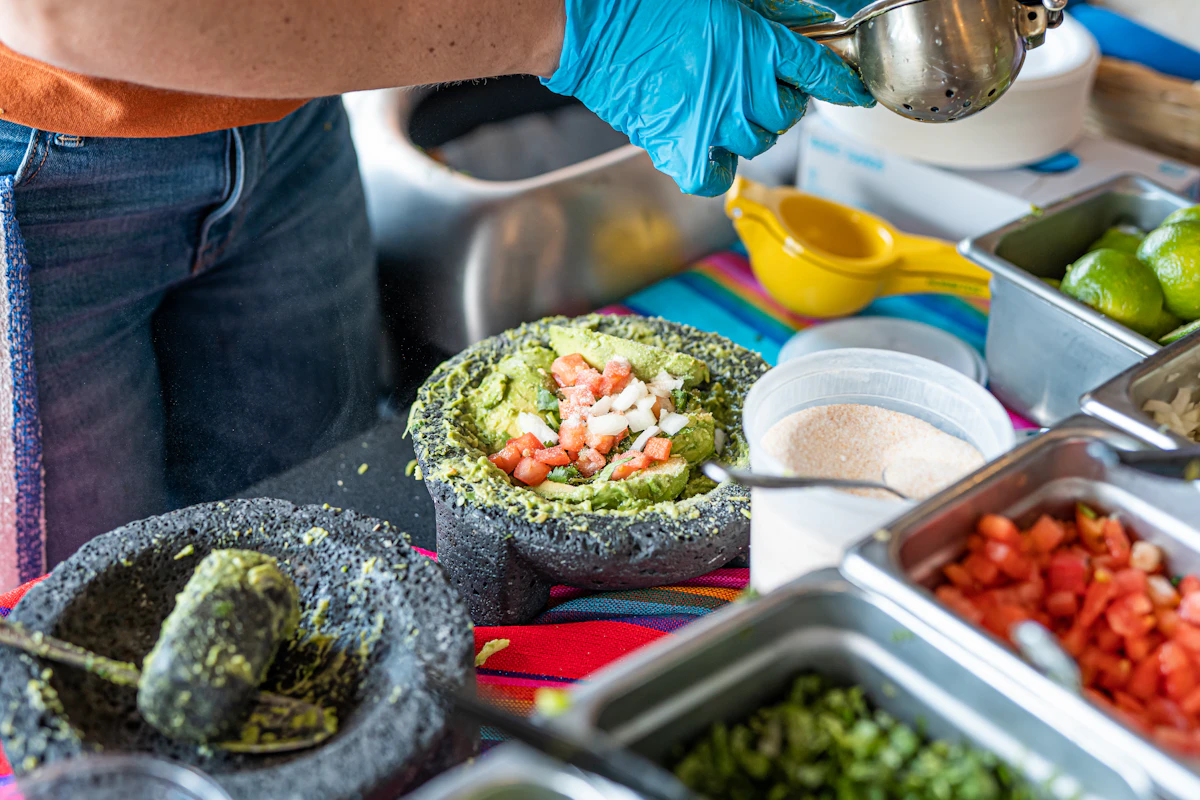
Both sanctuary entrance areas have small eateries serving regional Michoacan food: blue-corn quesadillas, mushroom soup, conejo (rabbit), pozole, atole. Simple, hot, perfect after the hike. Cash only at most.
Combining with Other Michoacan Stops
If you have 3-4 days, combine the sanctuaries with:
- Patzcuaro. Colonial lake town two hours west, beautiful any time of year, magical in early November for Day of the Dead on the lake.
- Morelia. The state capital, UNESCO colonial city, halfway between CDMX and the sanctuaries.
- Tzintzuntzan. Lakeside artisan village near Patzcuaro, famous for ceramics.
The Bottom Line
The monarch sanctuaries of Michoacan are one of the great natural wonders of North America, and they are within reach of any CDMX family trip from late November through February. The altitude is real. The hike is moderate. The etiquette matters. But the moment your kid sees millions of butterflies erupting from a single fir tree is one they will tell their own kids about. Plan a January overnight, pack layers, hire horses for the climb, and go.
Recommended Products
Columbia Womens Benton Springs Half Snap Fleece
Lightweight Columbia fleece pullover - perfect for chilly mornings in Michoacan butterfly forests or Mexico City.
View on Amazon
Mexico City — Roma Norte / Polanco
CDMX boutique hotels in stroller-friendly neighborhoods.
View on Booking.com (Awin)Columbia Girls Switchback II Rain Jacket
Lightweight packable rain jacket for kids - rolls into its own pocket for tropical Mexico downpours.
View on Amazon
Monarch Butterfly Sanctuary Day Trip
Door-to-door from CDMX to El Rosario or Sierra Chincua.
View on CJ AffiliateTravel Pashmina Scarf Wrap Lightweight
Lightweight travel scarf and shawl - layers for chilly Michoacan mornings or covering shoulders at churches.
View on Amazon
Thinksport SPF 50+ Mineral Reef Safe Sunscreen 6oz
Reef-safe mineral sunscreen approved for Mexico cenote and beach areas. SPF 50+ vegan formula.
View on Amazon
Kids Sun Hat UPF 50+ Wide Brim with Chin Strap
Wide brim UPF 50 sun hat for boys and girls with adjustable chin strap to keep it on at the beach or pool.
View on AmazonThermos Funtainer 16oz Stainless Steel Kids Water Bottle
Insulated stainless steel kids water bottle with leak-proof spout - keeps water cold all day in Mexico heat.
View on AmazonHontry 10x25 Compact Binoculars for Kids and Adults
Compact 10x25 binoculars - perfect for spotting whale sharks at Holbox or monarchs in the Michoacan canopy.
View on AmazonTOY Life Bug Catcher Kit with Butterfly Net Binoculars Magnifier
Bug catcher kit with butterfly net binoculars and magnifier - perfect for kids visiting monarch butterfly sanctuaries.
View on AmazonKids Travel Journal Diary with Lock and Pen
Lockable travel journal with pen and stickers. Great for kids documenting Mexico trip memories.
View on AmazonLonely Planet Pocket Mexico City 2025-2026 Guide
Compact 2025 to 2026 Lonely Planet pocket guide to Mexico City with neighborhood maps and walking tours.
View on Amazon* Affiliate links: We may earn a commission from purchases made through these links, at no extra cost to you. See our full disclosure.