Why We Still Take Bella to San Miguel for Día de los Muertos
An annual pull-out from first grade for Day of the Dead in San Miguel. The case for keeping a ritual, even when the ritual lives in another country.
The first year we lived in San Miguel de Allende, I made a fool of myself about Día de los Muertos. Don Luis had invited us upstairs to see his family altar, and I — fresh from three books and a Coco rewatch — said something earnest about how meaningful it was that the holiday was "about death." He looked at me kindly and said, in Spanish, that no, it was not about death. It was about the people. The people don't go away. You just visit them differently.
Disclosure: Some links below are affiliate links. As an Amazon Associate I earn from qualifying purchases, and may earn from Booking.com, Mavely, and CJ partner links at no extra cost to you.
I have thought about that sentence at least once a week for six years. We left SMA in 2024, but we have never missed a Día de los Muertos there since the year we moved in, and we are not going to. Bella is six. Her first-grade teacher in Colorado now gets an email from me in early September, every September, that says: we will be out the last week of October and the first week of November, here's why, here's what we'll bring back. So far the response has always been some version of "this is what school is supposed to be."
Why this trip is non-negotiable
I want to be careful with the word non-negotiable, because I am a person who reads parenting blogs and rolls my eyes at half of them. But Día de los Muertos in SMA is, for our family, the load-bearing wall of Bella's connection to the place she spent her early childhood. Without it, the connection erodes. With it, the connection stays alive in a way that no amount of Spanish at home or video calls with Don Luis can replicate.
Here is what she does there:
- Helps build the altar in our old building's courtyard. Don Luis lets her place the photograph of his late wife. He has done this with her every year since she was three.
- Walks the neighborhood at dusk and looks at every altar. The ones we see are not tourist altars. They are the altars of the people who actually live on our old street.
- Carries marigolds — cempasúchil — back to the house and learns again, every year, why the petal trail leads from the door to the altar.
- Eats pan de muerto until her hands are sticky. She has opinions on whose pan de muerto is best. She is correct about this.
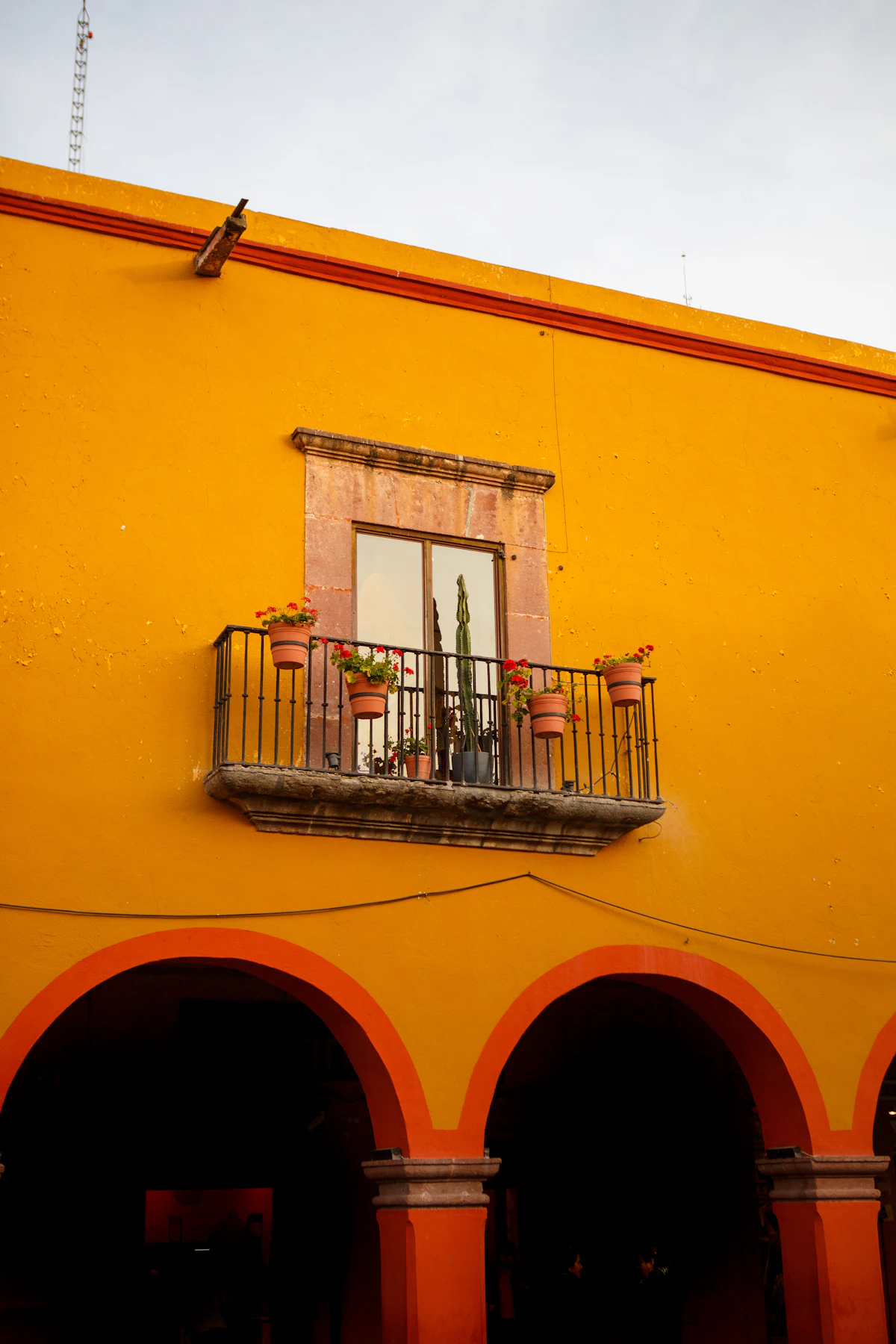
The teacher email
I'm a worrier. The first time I sent the email I drafted it for two days. I thought I'd get pushback. What I got back was a one-paragraph reply from Bella's kindergarten teacher last year that said, in essence: please tell her to take pictures, please ask if she'd be willing to share with the class when she's back, and here is a small packet of "things we'll be working on" that you can do as a family. The packet was a sight-word list and a math game. It took us a combined twenty minutes the entire week.
This year I'm sending the email in the second week of September. Bella is in first grade. The teacher already knows about SMA — Bella told her on day one, in the form of a code-switched sentence I wish I'd recorded. I am bracing for less pushback than I deserve.
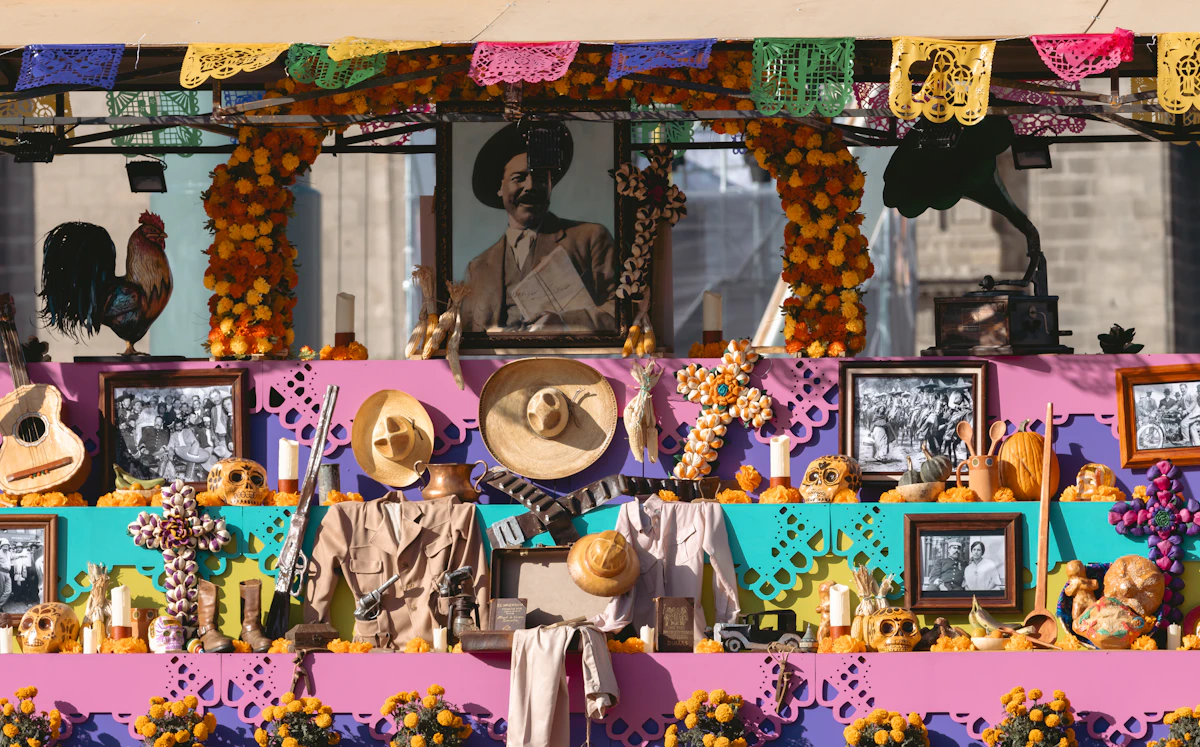
What she brings back
Last year Bella came back from SMA with a cempasúchil petal pressed in a notebook, a story about her great-grandmother (mine, not Eddie's — Bella has decided she is part of the altar tradition and has "adopted" my grandmother into it), and a Spanish vocabulary list she made herself of words she heard during the trip that she didn't know. She brought all three to show-and-tell. Her teacher told me later that the class was riveted. One kid asked if Bella's family was Mexican. Bella said, in the offhand way only a five-year-old can: "my mom is from Colorado but I'm from both."
I am still working out what "from both" means for her, and I am not sure I get to decide. I think the trip is part of how she gets to decide.
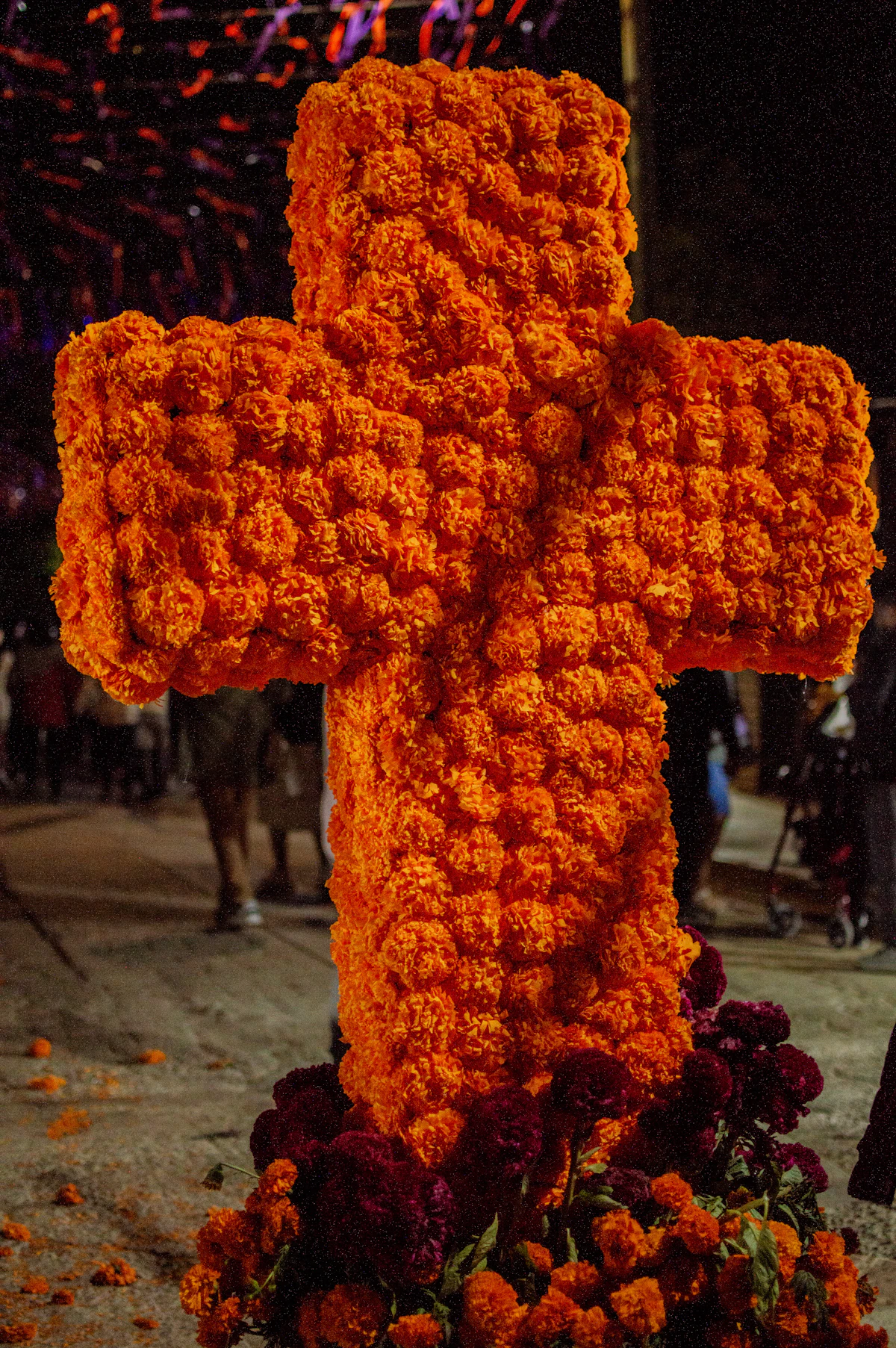
The case for the pull-out, in the smallest version I can make it
I know there are loud voices on this blog who will tell you to pull your kid out for travel and not feel bad about it. I am not loud. I am the version of this argument that comes from a mom who lived inside two school calendars and is sure about what she saw.
The Mexican calendar — which I lived for four years — assumes that families travel together for cultural reasons. The U.S. calendar does not. That isn't a moral failing of either system; it's a difference in what they're optimizing for. But if your family's story has a chapter in another country, the U.S. calendar will not, on its own, give you the time to keep that chapter alive. You have to decide to take it.
For Bella, Día de los Muertos is not a vacation. It is a ritual. She would no more skip it than she would skip her own birthday. And we have decided, as a family, that this is one of the rituals we are going to protect.
Don Luis turned 67 this past June. Bella video-called him on his birthday and asked him in Spanish if he was making sure the altar would be ready. He told her, also in Spanish, that the altar is always ready, and that the marigolds were already coming up in his neighbor's planter box. She told him she would help arrange them. She is going to. We have plane tickets for October 28, and a return on November 4, and an email half-drafted to her teacher. Some things you keep on the calendar because the calendar is the only way to keep them.
Recommended Products

San Miguel de Allende — Hotels & B&Bs
Browse SMA boutique hotels and B&Bs on Booking.
View on Booking.com (Awin)
First 100 Words in Spanish (DK)
Bella's first Spanish picture book. Held up to four years of bedtime.
View on Amazon

Frida Kahlo: Self-Portraits
Coffee-table primer for kids who ask big questions about her face.
View on Amazon* Affiliate links: We may earn a commission from purchases made through these links, at no extra cost to you. See our full disclosure.