Seaweed Season in the Riviera Maya: A Month-by-Month Forecast for Family Travelers
A real month-by-month sargassum forecast for Riviera Maya families in 2026. When the seaweed is heaviest, where to go instead, and the pack list that actually matters.
Disclosure: Some links below are affiliate links. As an Amazon Associate I earn from qualifying purchases, and I may earn a commission from Booking.com, Mavely, and CJ partner links at no extra cost to you.
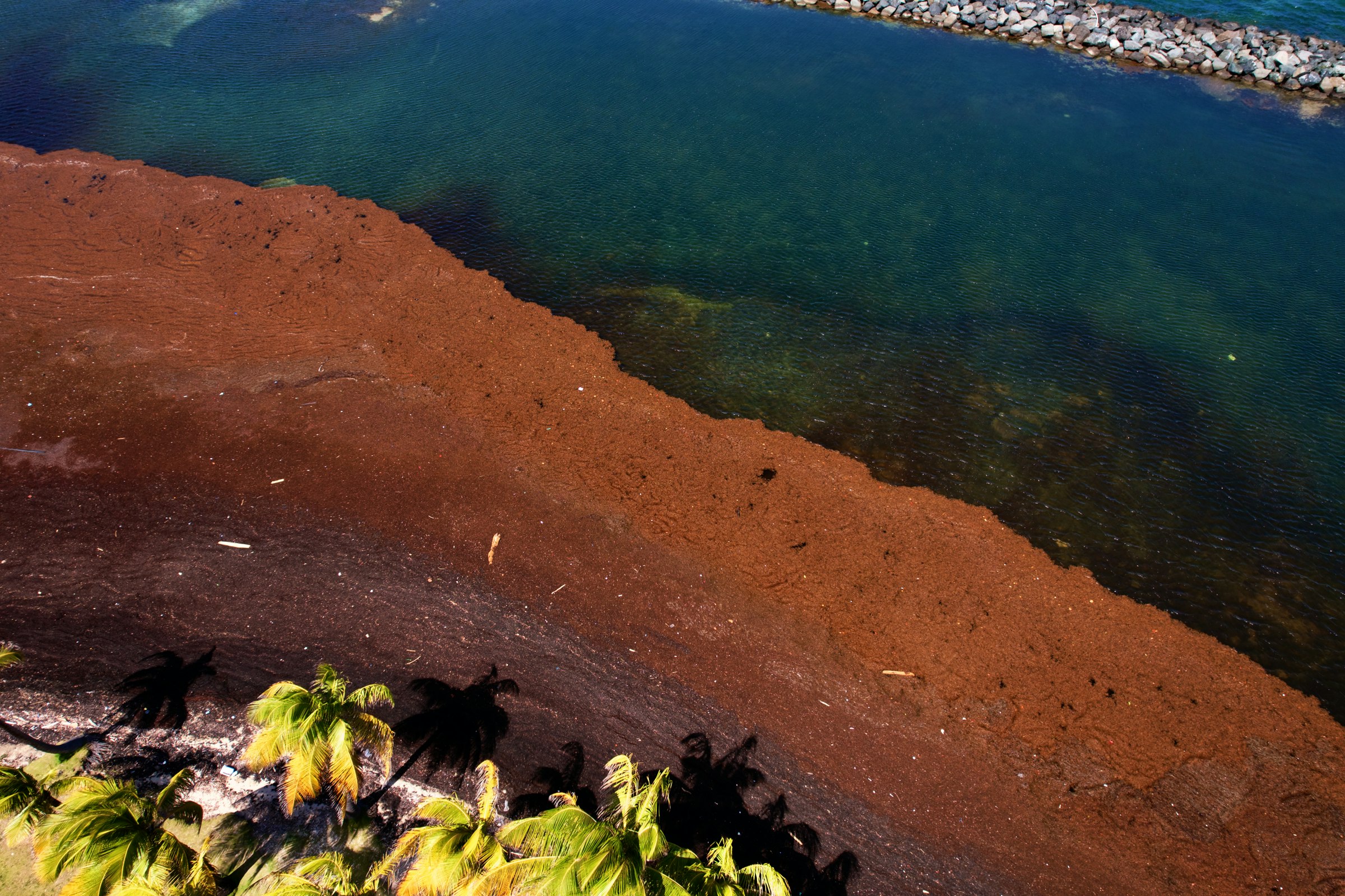
Cariño, sit down. We need to talk about sargazo. My tía Rosa called from Coyoacán last week halfway through her morning coffee asking if it was true the beaches were "otra vez cubiertas de algas" - covered in seaweed again - and I had to tell her yes, tía, it's that season, and yes, it's worse this year. Mira, if you're booking the Riviera Maya for May or June and your travel agent didn't mention seaweed, your travel agent is doing you dirty. The University of South Florida tracks the Atlantic belt, and 2026 is shaping up rough. But híjole, don't cancel the trip yet - there's a smart way to play this season and I'm going to walk you through it.
Cariño, if you're booking the Riviera Maya for May or June and nobody has told you about sargassum yet, sit down. We need to talk. My tía Rosa called me from Mexico City last week to ask if it was true the beaches were "cubiertas de algas" again, and the answer is yes, it's that season, and yes, you can still have a great trip if you plan around it.
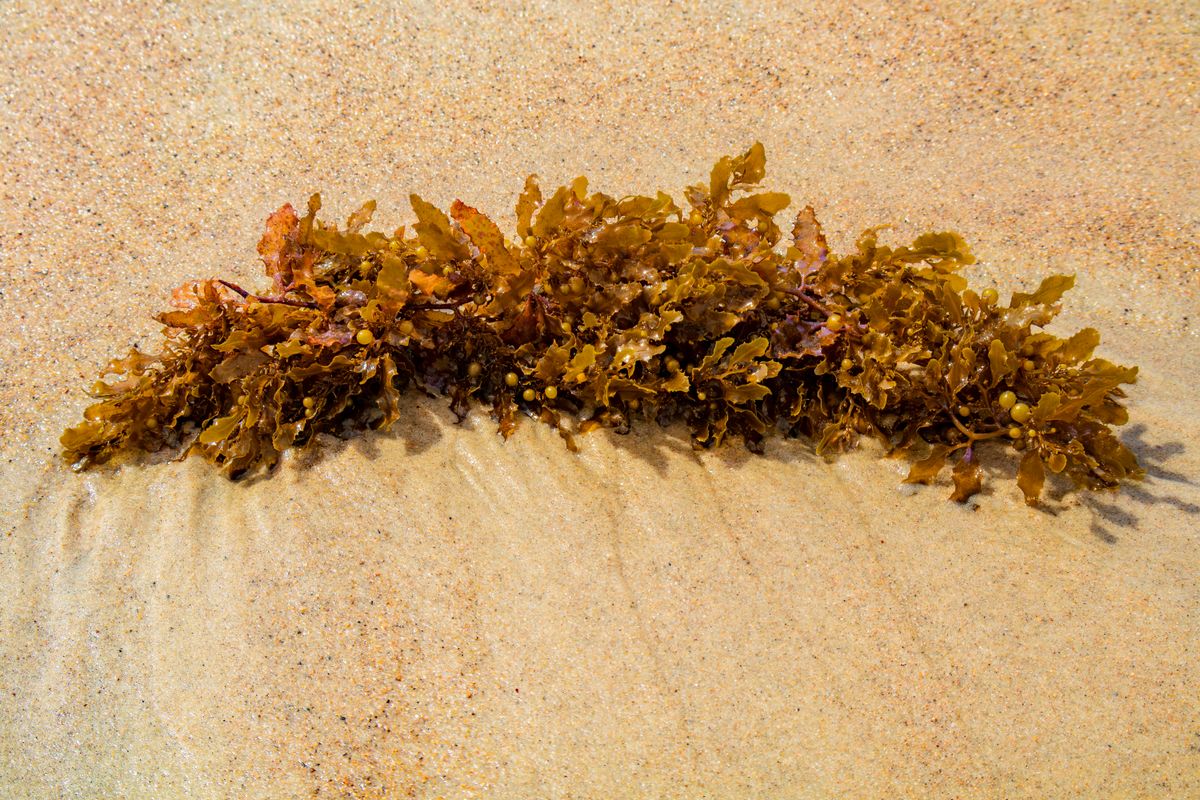
Seaweed (also called sargassum) is the brown floating seaweed that drifts in from the Sargasso Sea and the equatorial Atlantic. It rots on the sand. It smells like sulfur. It blooms bigger every year and the University of South Florida's Optical Oceanography Lab has been tracking massive belts in the Atlantic, and 2026 is on track to be one of the worst years on record for the Mexican Caribbean. So this isn't a "your travel agent didn't warn you" situation anymore. This is a "plan around it" situation.
Here's how I think about it month by month, with the warnings I'd give my own cousins if they were flying down with their kids.
The Short Answer Up Top
Heavy months: April, May, June, July, August, September. Peak misery: late May through July. Cleanest months: November through March. If you have flexibility on dates and you're bringing kids, book December through March and stop reading. You're done.
If you can't move your dates, keep going.
January and February: The Honeymoon Window
This is when I tell my friends to come. Water is clear, beaches are raked, and most of the open Atlantic blooms haven't pushed west yet. The 2026 season did have some early arrivals along Tulum and Akumal in late January, which is unusual, but the bulk of Cancun's hotel zone and northern Playa del Carmen were still mostly clean.
If you're booking now for next January, this is your sweet spot. Bring a good mineral reef-safe sunscreen because Quintana Roo enforces the reef-safe rules at certain protected areas and they will check at cenotes and biosphere reserves. No manches, they actually check.
March: Still Mostly Safe, but Watch the Forecast
March is usually fine. The trade winds haven't fully shifted yet, and most of the seaweed is still circulating offshore. But here's where 2026 changed the playbook: there were noticeable arrivals in March along Mahahual and parts of Tulum. If your trip is March, check the live tracker before you book a beach hotel south of Playa.
I use sargassummonitoring.com and the howisthesargassum.com weekly bulletin. Both pull from the USF satellite data. Don't trust Instagram photos. Conditions change in 24 to 48 hours.
April: The Edge of the Cliff
April is the month when southern Riviera Maya (Tulum, Akumal, Mahahual) starts getting hit consistently. Northern stretches like Cancun's hotel zone and Isla Mujeres are usually still okay through mid-April. By the last week, expect arrivals up and down the coast.
If you're booked for April, here's my honest take: pick a resort that has a marina or a protected cove (Maroma Beach, Puerto Aventuras, parts of north Playa Mujeres). Resorts with active beach crews rake at sunrise and you'll get a few clean morning hours. Public beaches in Playa del Carmen are usually the worst hit because no one is paying to clean them.
May Through July: Plan Your Trip Around the Pool
This is peak. Tulum gets hammered. Akumal often closes its turtle-watching beaches because the seaweed mat smothers the seagrass. Playa del Carmen public beaches are buried. Even some all-inclusive resorts can't keep up - the Mexican Navy now deploys sargassum-collection vessels and offshore barriers, but on a heavy day, the volume overwhelms them.
If you're going May through July with kids, do this:
- Book a resort with a big pool complex. The pool will save your trip.
- Plan one day for cenote swimming (Dos Ojos, Gran Cenote, Casa Cenote near Tulum). Cenotes are inland freshwater and stay perfect.
- Plan one day for Isla Mujeres. The west-facing beach (Playa Norte) is often spared because the seaweed approaches from the east.
- Skip the beach excursions to Tulum ruins. Do the ruins early, leave the bathing for elsewhere.
Pack accordingly. The seaweed and the cleanup machinery can leave hard bits on the sand, so I never let my kids run barefoot during peak season. Quick-dry water shoes for the kids are non-negotiable. Mateo got a piece of dried sargassum stalk wedged in his foot two summers ago and it bled like a horror movie. Lesson learned.
August and September: Still Heavy, Plus Hurricanes
The seaweed often stays into August and September, and now you're stacking hurricane risk on top. I personally don't book the Caribbean side in these months unless I have hurricane-flexible airfare and a refundable hotel. If you must, the same playbook applies as May through July.
October: The Turnaround
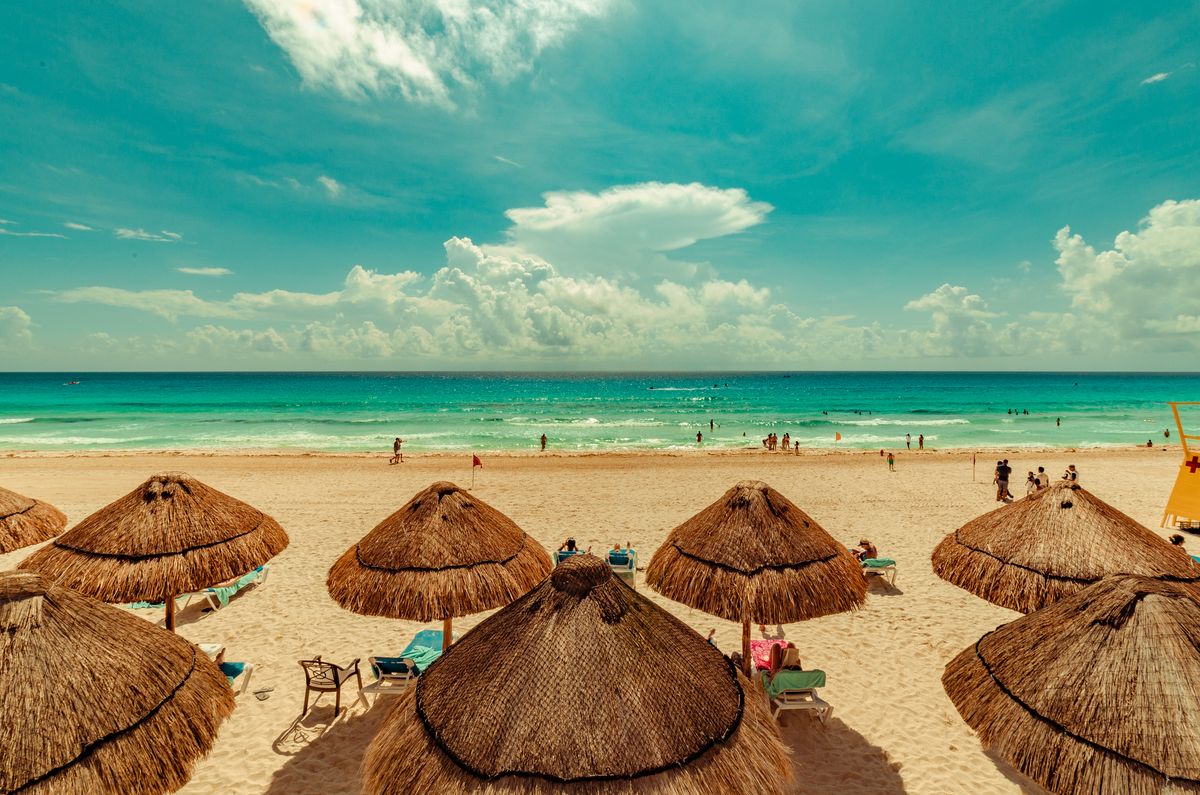
By mid-October the trade winds shift, the open-ocean blooms start dying back, and the Mexican Caribbean cleans up fast. By Halloween, most beaches are recognizable again. This is also when domestic travelers from Mexico City start showing up for fall break, so book ahead.
November and December: My Personal Favorite
Clean water, fewer crowds (until Christmas), reasonable prices. December through mid-January in Tulum is gorgeous. Bring layers because the evenings can drop into the high 60s and the mosquitoes pick up after rain. DEET-free repellent bracelets are not strong enough for evenings in the jungle, but they're fine for kids during the day at the pool.
What to Pack for Sargassum Season Specifically
Beyond the usual sunscreen and swim gear, here are the things that genuinely matter when seaweed is on the menu:
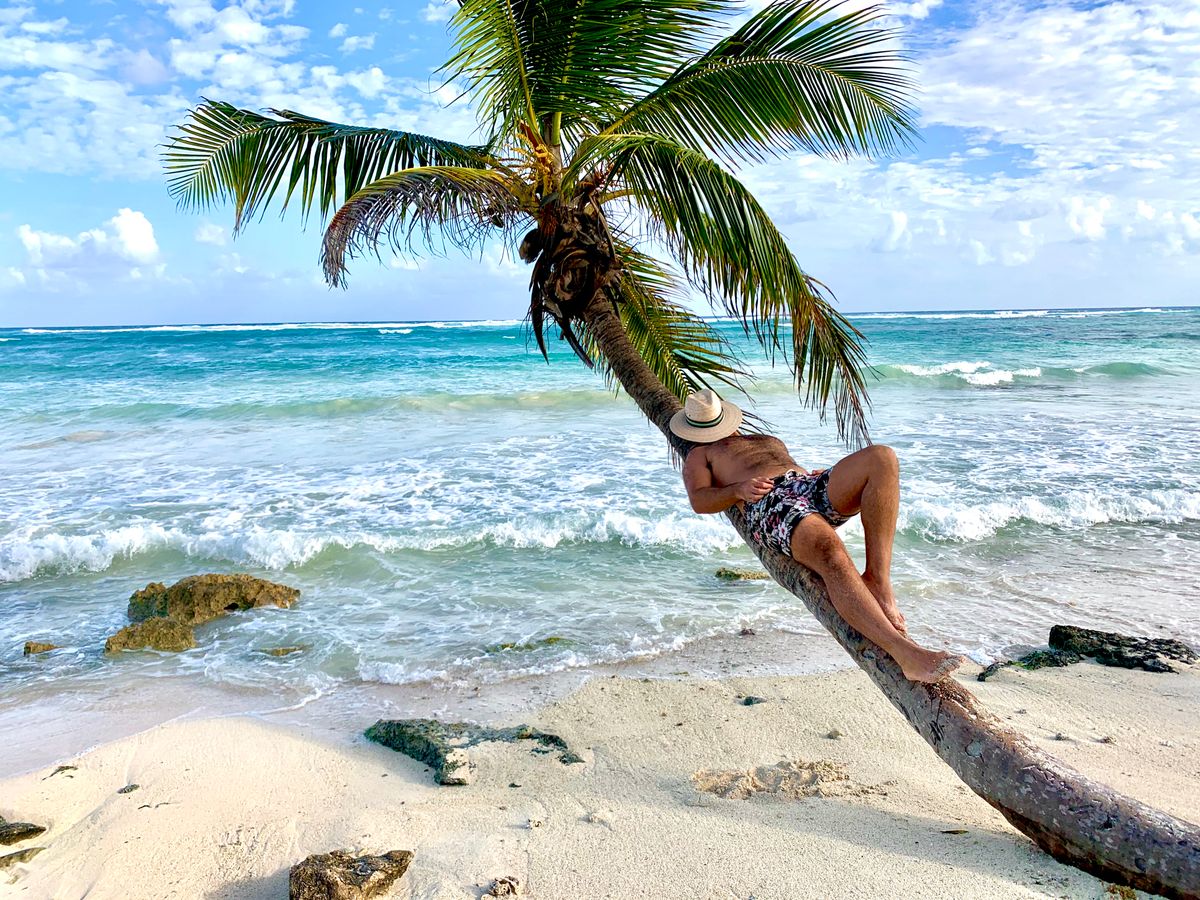
- Mineral reef-safe sunscreen. The chemical stuff isn't allowed in the protected areas, and the resorts that sell sunscreen at the gift shop charge tourist prices.
- A real wide-brim sun hat for the kids. The sun reflecting off white pool decks and limestone cenote walls is brutal.
- Water shoes. For cenote rocks, sargassum-strewn sand, and the unexpected sea urchin.
- A kids' snorkel mask. If you're doing cenotes or the Isla Mujeres reef, you'll want gear that fits. Rental masks at the cenotes are sketchy and tend to leak.
- Packing cubes. For separating wet swim stuff from dry on the way home. Sargassum smells linger, ándale.
- Mosquito bracelets for the kids in the jungle areas. Not a substitute for picaridin, but a layer.
The Warnings I Always Give
Don't drink the tap water. Don't brush teeth with it either. The "free welcome shot" the resorts pour at check-in is the cheapest tequila on the property and is guaranteed to give your stomach a bad start. Ask for sealed bottled water and skip the welcome shot. I'm not joking, this is the move.
Don't take the unmarked taxis from Cancun airport. Pre-book ADO bus tickets or a pre-paid taxi from the official counter inside baggage claim. The curbside guys will quote you 80 dollars to Playa del Carmen when the real price is 28.
And don't let anyone sell you a "free breakfast" or a "free welcome briefing" at the resort. That's a timeshare presentation in disguise. Tía Rosa's words: just walk past. Smile and walk past.
The Bigger Truth
Sargassum is here. It's not going away. The Atlantic blooms are tied to nutrient runoff from the Amazon and shifts in ocean currents, and scientists expect this to be the new normal for the Mexican Caribbean for at least the next decade. That doesn't mean don't go. It means plan smarter. Pick the right months, the right resorts, the right beaches, and have a pool-and-cenote backup plan baked in.
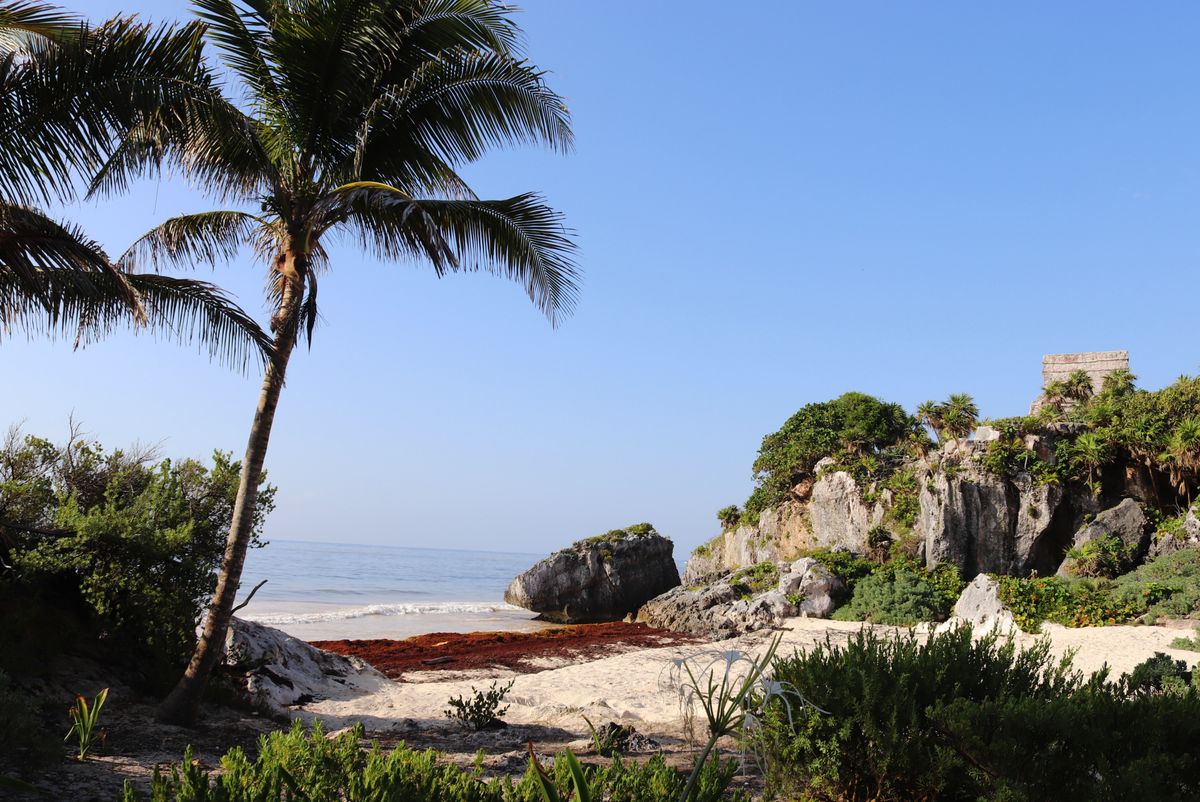
The Yucatan is still my favorite place to take my kids. Mateo learned to snorkel at Akumal in November when the water was glass. Sofia ate her first mole poblano sitting at a wooden table in a cenote-side restaurant near Tulum. The stuff that makes the trip is still there. You just have to know when to go.
Qué rico. Now go book your November trip.
Sargazo is real, it stinks like rotten eggs, and pretending it's not happening doesn't help anybody. But cariño, the Riviera Maya is enormous, the cenotes don't care about seaweed, and there are months and pockets where the beach looks exactly like the brochure. Pick your dates with intention, pick your hotel by the daily clean-up crew rather than the brochure photo, and have a Plan B - eco park day, cenote day, ruins day - in your back pocket for the worst mornings. Tía Rosa's recipe for a bad-beach-day mood: ceviche, una cerveza fría, y dejar de quejarse. Ceviche, cold beer, and stop complaining. Honestly? She's right.
Recommended Products
Thinksport SPF 50+ Mineral Reef Safe Sunscreen 6oz
Reef-safe mineral sunscreen approved for Mexico cenote and beach areas. SPF 50+ vegan formula.
View on Amazon
Full Face Snorkel Mask for Kids Anti-Fog 180 Degree
Anti-fog full-face snorkel mask sized for kids - great for Holbox whale shark trips and Akumal turtle snorkeling.
View on Amazon
Kids Sun Hat UPF 50+ Wide Brim with Chin Strap
Wide brim UPF 50 sun hat for boys and girls with adjustable chin strap to keep it on at the beach or pool.
View on Amazon
BAGAIL 8 Set Packing Cubes for Travel
Eight piece packing cubes set for organizing the whole familys clothes across multiple Mexico stops.
View on Amazon
Stelle Kids Water Shoes Quick Dry Non-Slip
Quick dry kids water shoes for cenotes rocky beaches and snorkeling in the Riviera Maya.
View on AmazonCliganic 10 Pack Mosquito Repellent Bracelets DEET-Free
DEET-free natural mosquito bracelets - kid-safe extra defense for jungle and beach destinations.
View on Amazon* Affiliate links: We may earn a commission from purchases made through these links, at no extra cost to you. See our full disclosure.