The Best Cenotes for Families in the Yucatan: A Complete Guide to Swimming in Nature's Hidden Pools
From open-air swimming holes to mysterious underground caves, discover the most family-friendly cenotes across Mexico's Yucatan Peninsula. A real mom's guide with safety tips, packing lists, and age-by-age recommendations for visiting these natural wonders with kids.
Disclosure: Some links below are affiliate links. As an Amazon Associate I earn from qualifying purchases, and I may earn a commission from Booking.com, Mavely, and CJ partner links at no extra cost to you.
As an Amazon Associate, we earn from qualifying purchases.
The first time Mateo and Sofia peered over the edge of a cenote and saw that impossibly blue water glowing beneath the jungle canopy, they went completely silent. For about three seconds. Then came the shrieking, the jumping, the begging to get in RIGHT NOW, echoing off ancient limestone walls. Watching my kids discover something so wild and beautiful that it stopped them in their tracks - that is exactly why we keep coming back to the Yucatán. Tía Rosa says cenotes are the country's "agua sagrada" and she isn't wrong.
Cenotes are, without exaggeration, one of the most extraordinary natural experiences you can share with your family in Mexico. They're unlike anything else on earth, and the Yucatán Peninsula has thousands of them. But not all cenotes are created equal when it comes to visiting with little ones. Some are perfect for toddlers splashing in shallow turquoise water. Others are better suited for older kids who can handle steep ladders and deep water. A few are genuinely not appropriate for young children at all. No manches, you do NOT want to learn this the hard way.
After years of exploring the Yucatán with my kids - from the time they were wobbly toddlers to their current fearless-swimmer phase - I have strong opinions about which cenotes are worth the drive, which ones to skip, and exactly what to pack in your bag. This is the guide I wish someone had handed me before our first visit.
What Exactly Is a Cenote? The Explanation Your Kids Will Love
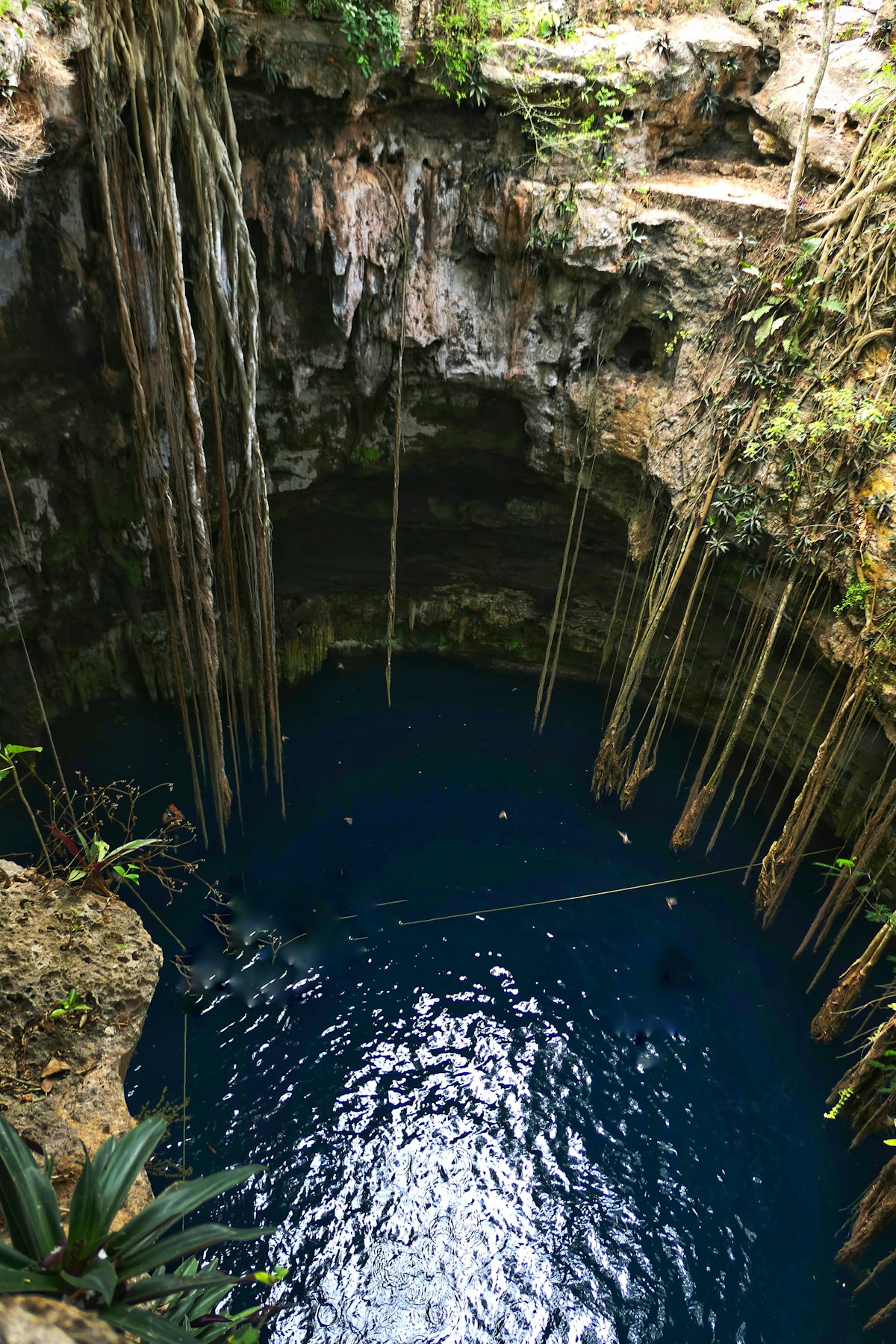
Here's how I explain cenotes to my kids and it works every time: millions of years ago, the entire Yucatán Peninsula was covered by a shallow sea. Over time, that sea floor became a thick layer of limestone. When the sea receded, rain started seeping through the porous rock, slowly dissolving it and carving out enormous underground river systems. Eventually, the thin limestone ceilings of some of these underground chambers collapsed, creating natural sinkholes that filled with fresh, filtered groundwater.
That's a cenote - a natural sinkhole connected to an underground river system, filled with some of the clearest water you'll ever see. The word cenote comes from the Mayan dzonot, meaning sacred well. The ancient Maya believed cenotes were gateways to Xibalbá, the underworld. They used them as primary water sources and as sites for ceremonies and offerings. Some cenotes still hold archaeological treasures at the bottom from those days.
The water in cenotes is almost always crystal clear because it has been naturally filtered through limestone for years before reaching the pool. The temperature stays a remarkably consistent 75-78°F year-round, which means it feels refreshingly cool on a hot Yucatán day but is never cold enough to make kids uncomfortable.
There are an estimated 6,000 to 8,000 cenotes scattered across the Yucatán Peninsula, and scientists believe many more remain undiscovered. They come in several distinct types, and understanding them will help you choose the right ones for your family.
Types of Cenotes: Open-Air, Semi-Open, and Cave
Open-Air Cenotes (Cenotes Abiertos)
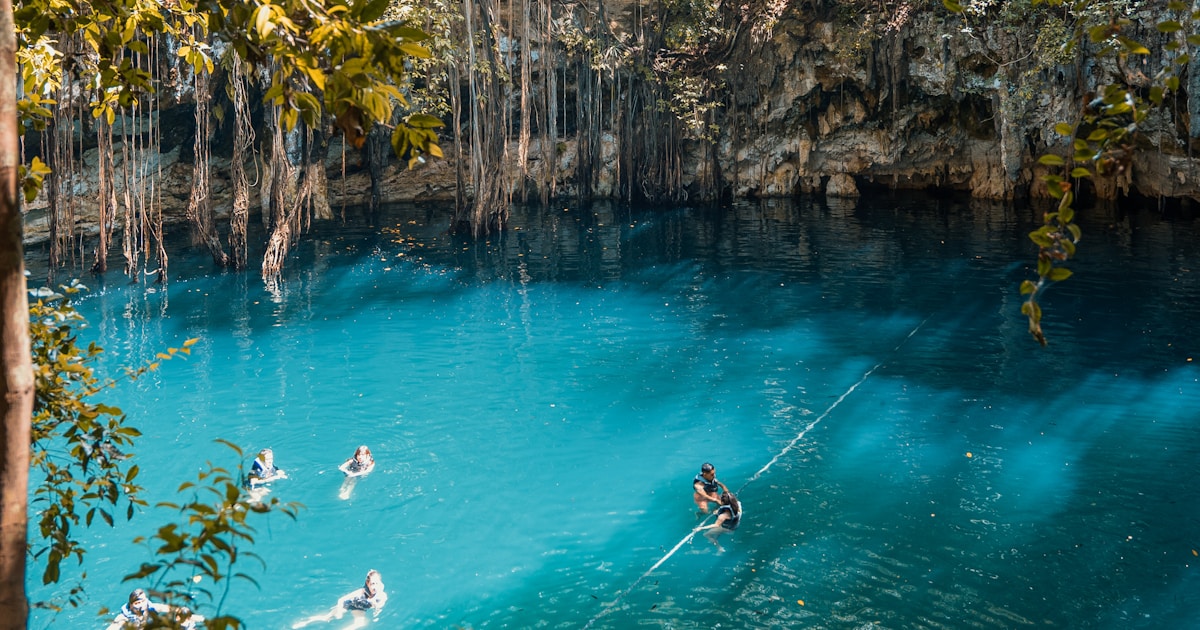
The limestone ceiling has completely collapsed, leaving a wide open pool exposed to the sky. Often surrounded by jungle vegetation, with roots and vines trailing down the walls. Open-air cenotes tend to be the most family-friendly because they have abundant natural light, feel less claustrophobic for nervous swimmers, and often have gentle entry points. The downside: they can get warmer on the surface and sometimes develop algae from sun exposure.
Semi-Open Cenotes (Cenotes Semi-Abiertos)
Part of the limestone roof is intact, creating a half-cave, half-open-air effect. Sunlight streams in through the opening, often creating dramatic light beams that hit the water below. Semi-open cenotes offer the best of both worlds: enough light to feel comfortable, plus the dramatic, otherworldly atmosphere of a cave. Many of the most photographed cenotes in the Yucatán fall into this category.
Cave Cenotes (Cenotes de Caverna)
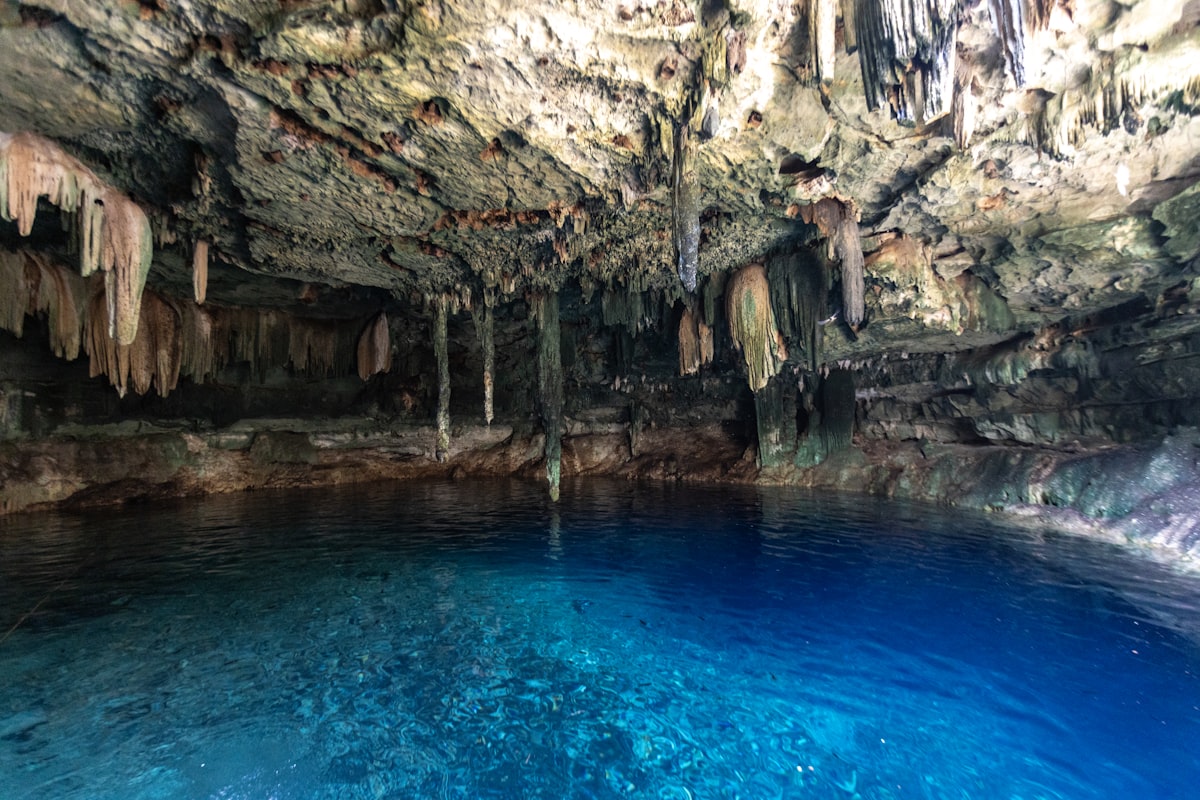
Entirely underground, accessed through openings in the rock that lead down into dark, cathedral-like chambers. Stalactites hanging from the ceiling, water an impossible turquoise. They can be absolutely breathtaking but they're also the most challenging for families. Access often requires climbing down steep, slippery staircases. The darkness can frighten younger kids. And the deep water with no shallow areas means confident swimming skills are a must. I recommend cave cenotes for families with kids ages 8 and up.
The Best Family-Friendly Cenotes Near Tulum
Gran Cenote
Gran Cenote is the cenote I recommend most often to families visiting Tulum, and for good reason. It's a gorgeous semi-open cenote with crystal-clear water, a mix of open-air and covered sections, and (this is the critical detail for parents) areas shallow enough for younger kids to touch the bottom. The entrance is well-maintained with proper stairs and handrails, and there are platforms for jumping that older kids will love.
The snorkeling here is extraordinary. Even with a basic mask, your kids will see fish, turtles, and the incredible underwater cave formations. Sofia spotted a turtle on her first visit and talked about it for weeks. The water clarity is astonishing - you can see every detail of the rocky bottom even in the deepest sections.
Bring kids' water shoes for the walk from the entrance to the water. The path can be rough on bare feet. Facilities include lockers, restrooms, and a small snack area. Arrive before 10 AM to beat the crowds. This is one of the most popular cenotes in the region and it gets packed by midday.
Mom's Tip: Gran Cenote charges a separate fee for cameras, so decide before you get to the ticket window whether you want to bring your phone or camera in. Or invest in a waterproof phone pouch that keeps your phone safe while you swim and skip the camera fee entirely.
Cenote Azul Near Tulum
Cenote Azul near Tulum is an open-air cenote that feels more like a natural swimming pool than a cave. Enormous - one of the largest in the area - with multiple levels and sections, including shallow areas that are genuinely perfect for toddlers. The water along the edges is only a foot or two deep in places, with a gentle, rocky bottom that kids can stand on.
What makes Cenote Azul exceptional for families is the combination of space and variety. While your little ones are splashing in the shallows, older kids can explore the deeper sections, jump off the low cliffs, or snorkel out to the center where the depth drops dramatically. There's plenty of shade from surrounding trees, and the grassy areas around the cenote are perfect for setting up a picnic.
This cenote charges a very reasonable entrance fee and tends to be less crowded than Gran Cenote. The biggest drawback is limited infrastructure. Changing areas are basic, and there's no restaurant on site. Pack your own snacks and water (sealed bottled, never tap). And absolutely make sure your kids are wearing reef-safe sunscreen. This is not optional. Regular sunscreen contains chemicals that damage the delicate cenote ecosystem. Many cenotes now require you to rinse off all sunscreen before entering, and some have banned non-biodegradable products entirely. Cariño - they will check.
The Best Family-Friendly Cenotes Near Playa del Carmen
Cenote Cristalino
Cenote Cristalino sits right along the highway between Playa del Carmen and Tulum, making it one of the most convenient cenotes to visit if you're based in Playa. Open-air cenote with stunning turquoise water, surrounded by jungle and limestone outcrops. The cenote has a natural shelf around parts of the edge that creates a shallow wading area - not as extensive as Cenote Azul, but enough for cautious younger swimmers to get comfortable.
The real draw at Cenote Cristalino is the cliff jumping. Several natural platforms at different heights, from a gentle two-foot ledge perfect for first-timers up to a higher cliff that will make your teenager's day. The deep water below is clear enough to see the bottom, which gives nervous jumpers the confidence that there's nothing lurking below.
Cenote Cristalino is part of a small complex that includes a second cenote nearby. Your entrance fee covers both, so plan to spend a full morning. Pack your valuables in a waterproof dry bag and leave it at the edge of the cenote while you swim. There are no lockers here.
The Best Family-Friendly Cenotes Near Valladolid
Cenote Zací
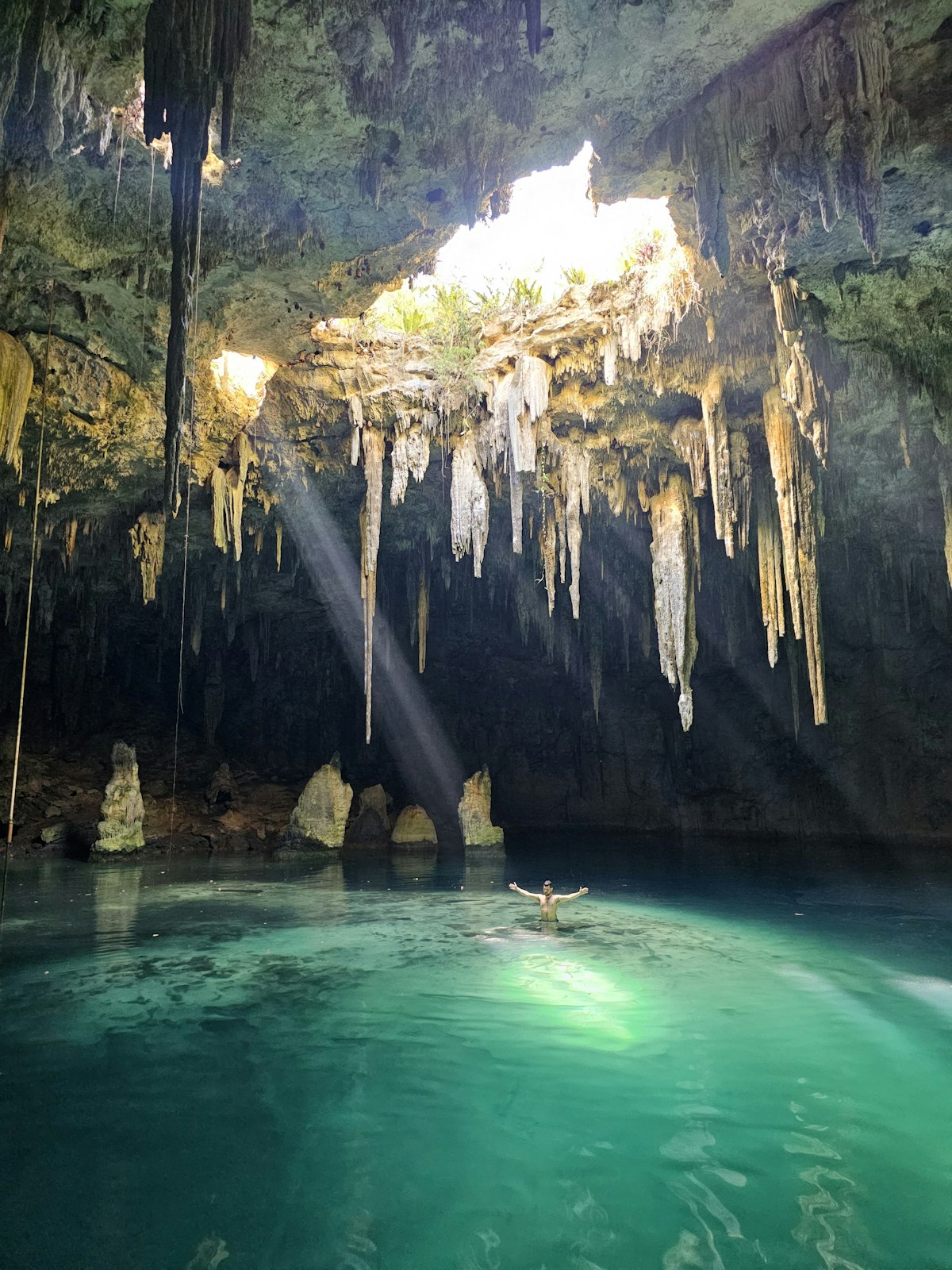
Cenote Zací holds a special place in my heart because it's located right in the middle of Valladolid - the charming colonial town that I think every family visiting the Yucatán should spend at least one night in. You can literally walk here from the main plaza. It's a large, semi-open cenote inside a cave, with a dramatic opening in the ceiling that lets in natural light. The setting is spectacular - hanging stalactites, lush greenery cascading down the walls, and small black catfish swimming below.
I should be honest: Cenote Zací is more of a look-and-appreciate cenote for families with very young kids. The water is deep, the entry is via steep stairs, and there are no shallow areas. Older kids who are strong swimmers will have a blast, but toddlers and non-swimmers are better off admiring from the viewing platform. The platform itself is worth the visit - it juts out over the cenote and gives you an incredible perspective on the scale of these formations.
The entrance fee is modest, and the cenote has a small restaurant overlooking the water where you can have lunch. An easy, low-commitment stop during a day exploring Valladolid.
Cenote Suytún
Cenote Suytún is the cenote you've probably seen on social media a thousand times - the one with the single beam of light shining down through a circular opening onto a stone platform in the center of an underground pool. It's absolutely as dramatic in person as it looks in photos, and walking down the stone pathway into the cave is a genuinely awe-inspiring experience for adults and kids alike.
Here's the thing about Suytún with kids, though. It's primarily a photography cenote. The main platform is for taking photos, and there's a constant line of people waiting their turn. Swimming is allowed in the surrounding water, but it's deep, dark, and cool. This is a full cave cenote with no natural light except that single beam. Mateo found the swimming area a bit eerie, though he loved the photo platform.
I recommend Suytún as a quick stop. Go for the photos, let the kids experience the drama of walking underground, then head to a cenote with better swimming. It's only about 15 minutes from Valladolid, so it pairs well with Cenote Zací or the Cuzamá cenotes.
The Best Family-Friendly Cenotes Near Mérida
The Cuzamá Cenotes
If your family is based in Mérida, the Cuzamá cenotes are an absolute must. This isn't just a cenote visit - it's an adventure. You ride a horse-drawn cart along old narrow-gauge rail tracks (left over from the henequen sisal-plantation days) through the jungle to reach a series of three cenotes. Mateo still says the cart ride was one of the highlights of our entire trip to Mexico. The rickety, bumpy ride through the trees feels like stepping back into another century.
The three cenotes at Cuzamá are all underground, accessed by climbing down steep, sometimes rickety wooden ladders. I need to be straight with you: these aren't for families with very young kids or anyone with mobility concerns. The ladders are real ladders, some nearly vertical, and the steps can be slippery. My rule: if your child can climb a tall playground ladder confidently and independently, they can handle Cuzamá. If they still need a hand on stairs, wait a year or two.
The cenotes themselves are worth every rung. The water is impossibly clear, the caverns are enormous, and you'll likely have them almost to yourself on a weekday. For families with kids who can handle the climb, the Cuzamá cenotes offer the most authentic, least touristy cenote experience in the Yucatán. Bring a kids' underwater camera - the photos from inside the caves are absolutely magical, and letting kids document their own adventure makes it even more meaningful.
Essential Safety Tips for Visiting Cenotes with Kids
Safety in cenotes is something I take seriously, and you should too. These are natural formations, not water parks. There are no lifeguards at most cenotes. The water is often deceptively deep, and the transition from shallow to deep can happen suddenly.
The non-negotiable safety rules our family follows:
Life jackets are essential for non-swimmers. Many cenotes rent life jackets at the entrance, but the quality varies wildly and sizing for small children is hit-or-miss. I strongly recommend bringing your own USCG-approved kids' life vest. The single most important piece of gear you can pack for a cenote trip with young children. Even if your child is a confident pool swimmer, cenote water is different - it's deep, there are no pool walls to grab, and the cold can be shocking at first.
Stay within arm's reach of young children at all times. Even in shallow areas. Cenote bottoms can be uneven, with sudden drop-offs hidden by rock formations. I have seen kids step off an underwater ledge and go from waist-deep to over their heads in one step.
Watch for slippery surfaces. The limestone around cenotes is often covered in a thin layer of wet algae that's incredibly slick. This is where water shoes earn their keep. Never let kids run near the edge of a cenote. One slip on wet limestone could mean a serious injury.
Do not touch the formations. Stalactites and stalagmites took thousands of years to form and are incredibly fragile. The oils from human skin can actually stop their growth. Teach your kids to look and appreciate without touching.
Never dive headfirst. Even where jumping is allowed, always enter feet first. Underwater rocks and ledges may not be visible from above, and the consequences of hitting your head in a cenote are far more serious than in a swimming pool where help is immediately available.
What to Bring: The Complete Cenote Packing List
After dozens of cenote visits, I have our packing list down to a science:
Swimsuits and towels. Wear your swimsuit under your clothes. Changing facilities at cenotes range from basic to nonexistent.
Water shoes for everyone. The paths to cenotes are often rocky, rooted, and uneven. The stairs down to the water can be slippery. Water shoes with good grip are essential, not optional.
Reef-safe, biodegradable sunscreen. Many cenotes now require this. Regular sunscreen is banned because the chemicals damage the ecosystem. Apply at least 30 minutes before getting in the water so it has time to absorb. Better yet, for open-air cenotes, consider UV-protective rash guards to minimize the amount of sunscreen needed.
Waterproof phone pouch or dry bag. You'll want photos, and you'll need a safe place for your phone, keys, and cash while you swim.
Snacks and sealed bottled water. Some cenotes have small restaurants or snack stands, but many do not. Cenote visits make kids ravenous. Granola bars, fruit, and plenty of water are our go-to choices. Cariño - sealed bottled water only, the same Mexico-wide rule.
Cash in small bills. Most cenotes charge entrance fees of 100-300 Mexican pesos per person. Many don't accept credit cards. Life jacket rentals, locker fees, and camera fees are usually separate. Bring plenty of small bills - and only withdraw pesos from bank ATMs inside terminals or hotels, never the freestanding curbside ATMs that charge 30%.
Bug spray. The jungle around cenotes is home to mosquitoes, especially in the early morning and late afternoon. Apply after sunscreen and reapply regularly.
Age-by-Age Guide: When Is Your Child Ready?
Babies and Toddlers (0-3 years)
Stick to open-air cenotes with genuine shallow areas. Cenote Azul near Tulum is the gold standard for this age group. Keep them in a life jacket at all times, stay in the shallows, and don't attempt any cenotes that require ladder descents. At this age, cenotes are really about dipping toes and experiencing the wonder of the natural setting.
Preschoolers (4-5 years)
Most open-air and some semi-open cenotes are appropriate. Kids this age can usually handle simple staircases with handrails. Life jackets remain mandatory. Gran Cenote is perfect for this age. Sofia handled it at five with no issue.
Elementary Age (6-9 years)
The sweet spot for cenote visiting. Kids this age are usually strong enough swimmers to enjoy the deep water with a life jacket if needed, old enough to follow safety rules, and young enough to find the whole experience genuinely magical. Semi-open and some cave cenotes are now accessible. Cliff jumping from lower platforms becomes possible and thrilling.
Tweens and Teens (10+ years)
All cenotes are on the table, including the more adventurous cave cenotes and the Cuzamá ladder cenotes. This age group will especially love cliff jumping, snorkeling in cave systems, and exploring underground passages. Give them an underwater camera and let them document the experience. You'll get incredible footage.
Best Time to Visit Cenotes in the Yucatán
Cenotes are a year-round attraction, which makes them so valuable for family trip planning. The water temperature stays consistent regardless of season. That said, there are better and worse times to go.
Best months: November through April. Dry season in the Yucatán. Sunny and warm without being unbearably hot, less rain to disrupt your plans. The water tends to be at its clearest during the dry season because there's less runoff stirring up sediment.
Avoid: Easter week (Semana Santa) and Christmas holidays. Cenotes that are normally peaceful become absolutely packed with both tourists and local Mexican families during these peak periods. If your travel dates overlap, go early in the morning (before 9 AM) or choose lesser-known cenotes off the main tourist routes.
Best time of day: Early morning. I cannot emphasize this enough. The most popular cenotes near Tulum and Playa del Carmen get tour bus traffic starting around 10-11 AM. If you arrive at opening, usually 8 or 9 AM, you'll often have the cenote nearly to yourself for the first hour. The morning light in semi-open cenotes is also the most beautiful for photography.
Cenote Etiquette: Teaching Kids to Respect These Sacred Places
Cenotes aren't just swimming holes. They're ecologically sensitive environments and culturally significant sites for the Maya people. Teaching your kids proper cenote etiquette is both a practical necessity and a wonderful opportunity to instill respect for nature and indigenous culture.
Shower before entering. Most cenotes have a rinse station near the entrance. Use it. This removes sunscreen, insect repellent, and body oils that contaminate the water. Make it a non-negotiable part of the routine.
Use only biodegradable products. This includes sunscreen, bug spray, and any other products on your skin. Regular chemical sunscreens contain oxybenzone and octinoxate, which are devastating to cenote ecosystems. Mineral sunscreens with zinc oxide are the safest choice.
Do not remove anything. No rocks, no shells, no stalactite pieces, no souvenirs. Every element of a cenote ecosystem took thousands of years to develop.
Keep voices at a reasonable level. Sound carries dramatically in cave and semi-open cenotes. Excessive screaming and shouting ruins the experience for others and disturbs the wildlife - bats, birds, and fish - that call these cenotes home.
Pack out everything you pack in. Leave no trash behind. Bring a small bag for your garbage and teach your kids to do the same.
Respect the photography lines. At popular cenotes like Suytún, there are informal queues for the best photo spots. Wait your turn, take your photos reasonably quickly, and move on.
A Note on Cultural Respect: Cenotes were and remain sacred to the Maya. Many cenotes are on Maya-owned land and are maintained by local Maya communities. The entrance fees you pay go directly to supporting them. Approach each cenote with the same respect you would bring to visiting a church or temple. You are a guest in someone else's sacred space.
Final Thoughts
There's something profoundly moving about watching your child float in water that has been flowing through underground limestone for thousands of years, surrounded by formations that predate human civilization. Cenotes have a way of making the whole family slow down, look around, and simply be present in a way that few other travel experiences can match.
Start with the easy, well-maintained cenotes like Gran Cenote and Cenote Azul. Build confidence. Let your kids get comfortable with the unique feeling of swimming in ancient, open water. Then, as they grow, graduate to the more adventurous options - the cave cenotes, the ladder cenotes, the ones that require a bit of scrambling and a lot of courage.
The Yucatán has thousands of cenotes waiting for your family. You just need to take the first jump. Ándale, cariño.

Pin this for your next Yucatán trip!
Water Adventure Essentials
What I keep packed for the cenotes:

Recommended Products
Pelican Marine Waterproof Phone Pouch (2 Pack)
IP68 waterproof floating phone pouch with detachable lanyard - perfect for cenote swimming and water activities
View on Amazon
LeIsfIt Kids Water Shoes Quick-Dry Aqua Socks
Lightweight breathable quick-dry water shoes for kids with non-slip sole - ideal for rocky cenote entrances
View on Amazon
Thinksport Kids Safe Mineral Sunscreen SPF 50+
Reef-safe mineral sunscreen for sensitive skin - biodegradable and cenote-approved
View on Amazon
Agoigo Kids Waterproof Underwater Camera HD 32GB
Waterproof underwater camera for kids with 32GB card - captures amazing cenote memories up to 100ft
View on Amazon
Earth Pak Waterproof Dry Bag with Phone Case
Roll-top waterproof dry bag to keep valuables safe while swimming in cenotes
View on AmazonBody Glove Paddle Pals Kids Life Vest USCG Approved
USCG approved child swim vest for 30-50 lbs - essential safety gear for deep cenotes
View on Amazon* Affiliate links: We may earn a commission from purchases made through these links, at no extra cost to you. See our full disclosure.